
Cheirolophus massonianus
Cheirolophus massonianus
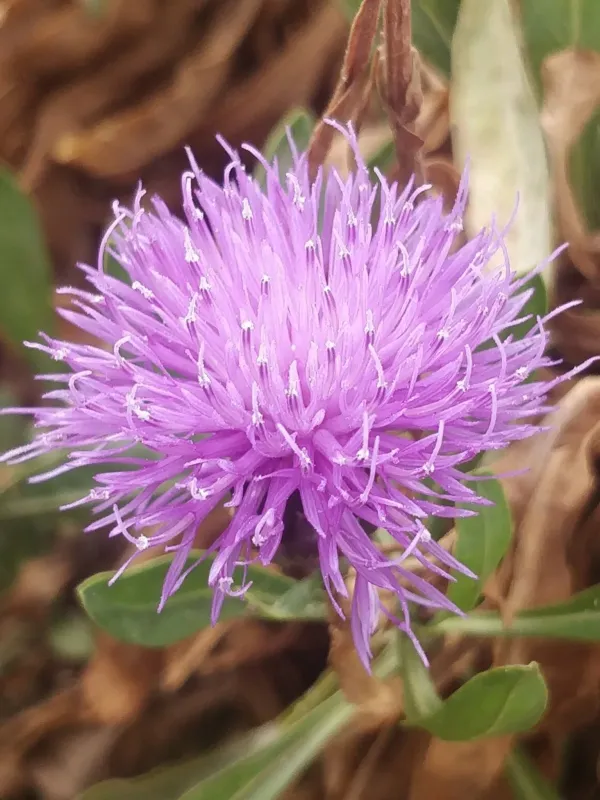
Description
Growing requirements
Cheirolophus massonianus is a distinct botanical species belonging to the Asteraceae family. As an endemic plant of the Canary Islands, it has specific ecological needs that reflect its adaptation to the rugged, volcanic environments of its native habitat.
The culture thrives in environments with intense solar radiation. For horticultural purposes, it is essential to provide maximum light exposure, as limited lighting significantly hinders the structural development and flowering capacity of this species.
Regarding soil, the plant requires a highly permeable substrate. In controlled environments, agronomists recommend using a mix that facilitates rapid water drainage to simulate rocky slopes and prevent the waterlogging of the root system.
The climatic requirements are characterized by a preference for mild, frost-free conditions. Given its geographical origin, the species is not winter-hardy and must be protected in climate-controlled greenhouses in temperate regions.
Horticultural use of this species remains focused on botanical conservation and specialized ornamental displays. Its unique morphology makes it a significant subject for botanical gardens and researchers interested in the endemic flora of Macaronesia.
Main diseases and pests
Root rot represents the primary pathological threat to Cheirolophus massonianus, typically caused by improper irrigation practices or poor soil aeration. Maintaining a strict watering schedule is crucial to avoiding these fatal conditions.
Pests commonly associated with this plant include spider mites and mealybugs. These organisms thrive in the enclosed, warm environments of greenhouses, necessitating diligent monitoring and integrated pest management strategies.
Prophylactic measures involve keeping the growing space clean and ensuring optimal ventilation. Good air circulation prevents the buildup of humidity, which is a major factor in the proliferation of both fungal spores and soft-bodied insects.
If chemical interventions are required, it is imperative to use products suitable for sensitive Asteraceae species. Over-application of pesticides can cause phytotoxicity, leading to leaf burn and general plant decline.
The long-term health of the culture depends on consistent monitoring of plant vigor. Early identification of stress signs—such as leaf discoloration or wilting—allows for immediate adjustment of environmental parameters before the problem escalates.