
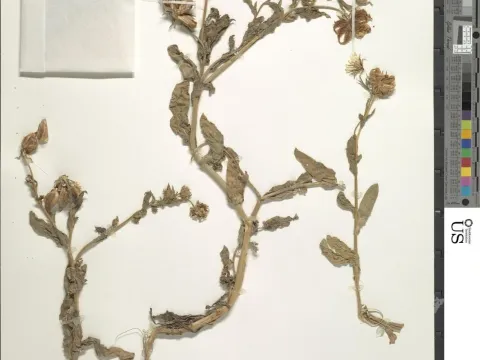
Thick-seeded marigold
Calendula pachysperma
The thick-seeded marigold, scientifically known as Calendula pachysperma, is a member of the Asteraceae family that requires specific cultivation approaches.
What the section contains
Thick-seeded marigold
Sowing in open fields usually commences in early spring once soil temperatures reach a stable 10–12°C, ensuring rapid germination.
Autumn planting is also a viable agricultural technique in certain regions, performed just before the onset of winter frost.
Seeds should be placed at a depth of 2 to 3 centimeters, ensuring adequate soil-to-seed contact for consistent moisture uptake.
Row spacing is typically kept between 45 and 60 centimeters to facilitate mechanical weeding and ensure optimal airflow around the plants.
As a light-loving crop, Calendula pachysperma thrives in areas receiving full sun, which promotes dense flowering and vigorous growth.
The plant prefers fertile, well-drained loamy soils, although it exhibits significant adaptability to various soil types under proper management.
While relatively drought-tolerant once established, the crop requires consistent hydration during its initial growth phase and flowering peak.
Proper field maintenance includes regular soil aeration through hoeing to break up crusts and limit the competitive growth of undesirable weeds.
Nutrient management focuses on balanced fertilization, avoiding excessive nitrogen which may prioritize vegetative growth over flower development.
Powdery mildew is the primary fungal threat, particularly in humid microclimates where air circulation is restricted around the foliage.
Aphids and various leaf-eating beetles are known pests that can cause significant damage to the plant's health and aesthetic value.
Root rot, driven by stagnant water or poor soil drainage, remains a critical risk factor that can lead to total crop loss if unmanaged.
Integrated pest management strategies are recommended to reduce reliance on chemical inputs while effectively controlling infestation levels.
Crop rotation practices should be strictly followed to minimize the accumulation of soil-borne pathogens and pests in the field.
Flower heads are harvested at peak bloom, which ensures the highest concentration of bioactive compounds for pharmacological use.
Continuous harvesting of mature blossoms encourages the plant to produce more buds, thereby extending the total production window for the season.
Drying must be conducted in dark, well-ventilated rooms to prevent the degradation of essential oils and retain the quality of the harvested material.
For seed production, selected floral heads remain on the plant until they are thoroughly dried, ensuring the maturity of the thick seeds.
Final seed processing involves careful cleaning and cold storage to maintain high germination rates for future planting cycles.