
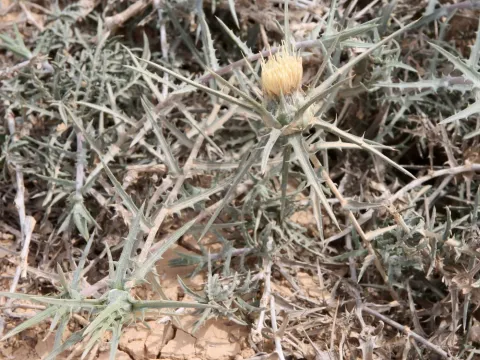
Mareotic safflower
Carthamus mareoticus
Mareotic safflower (Carthamus mareoticus) is an annual plant species belonging to the Asteraceae family. Originating from arid Mediterranean environments, this crop is recognized for its exceptional resilience to extreme heat and prolonged moisture deficits.
What the section contains
Mareotic safflower
Botanically, the plant is characterized by a sturdy stem and prickly, lanceolate leaves, which help reduce transpiration. Its root system is exceptionally deep, allowing the plant to tap into moisture reserves inaccessible to shallower crops, which is a major advantage in semi-desert farming.
The crop thrives in well-drained, porous soils. It prefers alkaline or neutral soil types and demonstrates a high tolerance for slightly saline conditions, making it an excellent candidate for marginal lands where other agricultural crops fail to produce a viable yield.
Climate requirements focus primarily on high solar radiation. The Mareotic safflower requires a long, hot growing season to reach full maturity. Its lifecycle is tightly coupled with thermal accumulation, making it highly dependent on the heat units provided during the summer months.
Agrotechnical practices emphasize weed control during the establishment phase. Once the plant forms a rosette and begins stem elongation, it becomes highly competitive and requires minimal intervention, though maintaining optimal plant density is crucial for canopy development.
Fungal pathogens remain the primary biological threat, especially in seasons with unexpected precipitation during the blooming stage. Botrytis and various forms of root rot can severely impact plant stands if soil drainage is inadequate.
Insect pests, most notably the safflower fly and various aphid species, pose a significant risk. These pests can damage floral heads and foliage, leading to reduced seed weight and lower oil content, which is the main economic metric for the crop.
Broomrape (Orobanche) can occasionally infect safflower roots in infested soils. Implementing a strict crop rotation cycle of at least 3-4 years is the most effective management strategy to break the lifecycle of soil-borne parasites.
Environmental stress, such as late-season frosts or heavy winds, can physically damage the stems, potentially opening entry points for secondary infections. Proper site selection and protective windbreaks are recommended in vulnerable areas.
Integrated Pest Management (IPM) protocols should be prioritized. Monitoring for threshold levels of pests and utilizing biological controls can minimize the need for chemical applications, thereby protecting the local ecosystem and reducing production costs.