
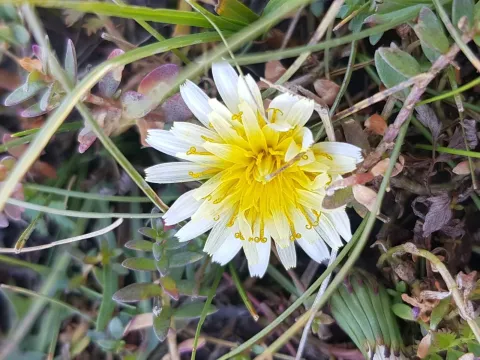
Korean dandelion
Taraxacum coreanum
Korean dandelion (Taraxacum coreanum) is a perennial herbaceous plant belonging to the Asteraceae family. It is increasingly valued as a specialty crop due to its unique chemical profile, which is highly sought after by the herbal medicine and food industries.
What the section contains
Korean dandelion
Sowing should take place in early spring as soon as the soil warms up to at least 5–8 degrees Celsius. Seeds are sown in rows spaced 30–40 centimeters apart to ensure each plant has sufficient space for healthy root and leaf development.
Pre-sowing stratification of seeds is highly recommended to ensure uniform and vigorous germination. This cold treatment process mimics natural conditions, breaking seed dormancy and resulting in a higher overall percentage of success on the field.
Planting depth should be shallow, typically between 1 and 1.5 centimeters, as the seeds are small and sensitive to depth. Once sown, lightly firming the soil surface helps lock in moisture, which is critical for successful germination in dry climates.
Late autumn sowing is also a viable option, allowing seeds to naturally stratify in the soil over winter. This approach often leads to earlier and stronger growth in the following spring, giving the plants a head start in the growing season.
Korean dandelion is a light-loving crop that thrives in open, sunny environments. Proper sun exposure is essential for the accumulation of active compounds within the plant's roots and for promoting robust foliage growth.
The plant prefers light, well-draining soil, such as sandy loams or silt loams. It does not perform well in heavy, waterlogged clay, as this environment increases the risk of root rot and impairs root formation.
This species is well-adapted to cooler temperate climates and possesses excellent frost tolerance. It remains dormant during winter and re-emerges vigorously, making it a reliable crop in regions with distinct seasonal shifts.
Regular irrigation is vital during the early stages of growth and throughout the peak summer months. However, care must be taken to avoid water stagnation, as consistent moisture is needed without creating a saturated soil environment.
Soil nutrient management should focus on potash-rich fertilizers, which support the expansion of the taproot. Avoiding excessive nitrogen application is key, as high nitrogen levels often favor lush leaf growth at the expense of root density and quality.
The maximum productivity of Korean dandelion is typically achieved in the second year of growth. By this stage, the taproot has reached sufficient size and concentration of bioactive compounds, making it prime for harvest.
Yield capacity can be significant with intensive care and proper spacing. Consistent removal of weeds and optimal moisture control allow the plants to channel all their energy into building the root mass required for commercial output.
Mechanical assistance during the harvest phase significantly improves yield efficiency. Using proper root-harvesting equipment minimizes breakage and ensures that the maximum amount of valuable root material is recovered from the soil.
Leaf yield is dependent on how frequently the foliage is trimmed. While frequent harvesting can provide extra output throughout the season, it is essential to allow the plant adequate recovery time to maintain its overall health.
Ongoing genetic selection and breeding programs aim to produce varieties with higher biomass yield and improved resistance to environmental stressors, further stabilizing the return on investment for farmers.
Powdery mildew is a common fungal disease for this crop, especially in areas with poor airflow and high humidity. Proactive monitoring and the application of bio-fungicides are standard practices for managing this threat.
Aphids and various leaf-eating insects are the primary pests affecting Korean dandelion. Regular field inspections and the use of integrated pest management strategies are crucial to keeping populations below economic injury levels.
Root rot is the most dangerous condition for this plant, usually caused by overwatering or poorly drained soil conditions. Prevention is centered on site selection and managing water intake to ensure the soil remains moist but breathable.
Weed control is essential, particularly during the establishment phase. Since the plant is sensitive to chemical herbicides, mechanical weeding between rows is the preferred and safest method for keeping the field clean and productive.
Practicing strict crop rotation is recommended to prevent the buildup of soil-borne pathogens. A gap of 3 to 4 years between crops of the same species helps maintain soil health and reduces the pressure from specialized pests.
The main harvest occurs in the autumn of the second year, when the plant has finished its seasonal growth cycle. Harvesting at this time ensures the roots are at their highest level of quality for industrial or medicinal use.
Specialized equipment, such as a root-lifting plow, is used to lift the roots from the soil. This prevents damage and ensures that the long, delicate taproots are extracted as intact as possible for processing.
Foliage intended for use as herbal greens can be harvested throughout the growing season, typically before the plant begins to bolt. Careful timing ensures the leaves remain tender and retain their desired flavor profile.
Post-harvest handling requires immediate washing in clean water to remove soil and debris. Prompt processing is required to ensure that the material does not ferment, which would compromise the product's quality and value.
Drying is performed in controlled-environment drying facilities at temperatures between 40 and 50 degrees Celsius. Proper temperature regulation is necessary to preserve the heat-sensitive bioactive compounds that make this plant a valuable commodity.