
Pot marigold
Calendula officinalis x Calendula suffruticosa
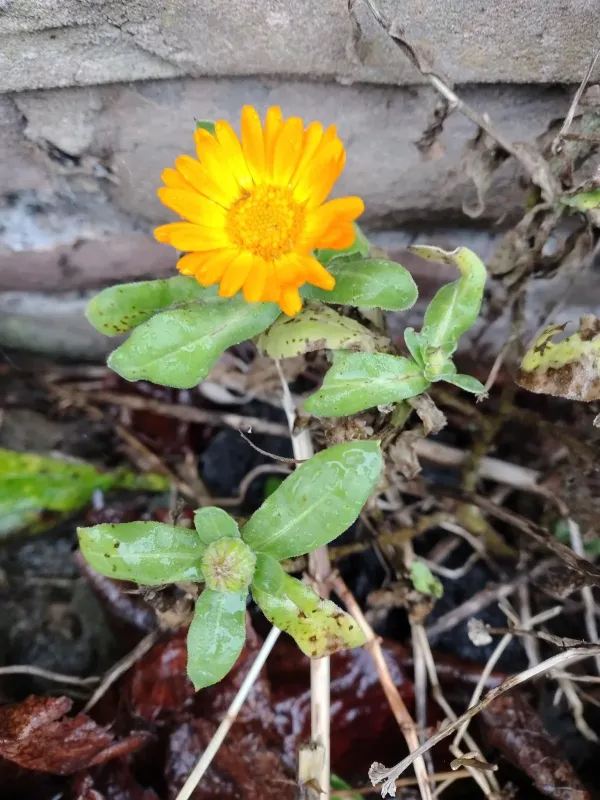
Description
Sowing dates
Calendula officinalis is a resilient annual herb belonging to the Asteraceae family. Seeds are typically sown in early spring, once soil temperatures reach 5-6 degrees Celsius, as the plant is hardy and frost-tolerant.
Winter sowing is also possible in late autumn, which allows for earlier germination and robust plant development the following spring. Seeds should be sown at a depth of 2–3 cm with row spacing of 45–60 cm for efficient management.
The seeding rate is approximately 10–12 kg per hectare. It is crucial to maintain an optimal plant density to ensure each plant has enough space to branch out and produce a high volume of flowering heads.
As a cool-season crop, the plant handles early spring weather well, ensuring successful establishment. Seedlings typically emerge within 7–12 days depending on soil moisture levels and seed depth.
Calendula is an excellent candidate for crop rotation, often used to improve soil health for subsequent crops due to the phytoncidal properties of its root system.
Growing requirements
Calendula requires full sun to thrive and reach its full flowering potential. Insufficient light results in leggy growth and significantly lower yields of floral heads throughout the season.
The plant is not overly demanding regarding soil type, but it performs best in well-drained, fertile loams or sandy soils with a neutral pH. Proper soil structure is essential for root health.
Adequate soil moisture is vital during the germination phase and the peak flowering period. While it can handle brief dry spells, consistent irrigation is necessary for maximum productivity.
Optimal growth occurs at temperatures between 20–25 degrees Celsius. Intense heat combined with drought can cause the plant to stop flowering early and produce smaller, lower-quality blossoms.
Incorporating phosphorus and potassium fertilizers during soil preparation encourages vibrant flowering and enhances the concentration of essential active compounds in the petals.
Yield
The average yield of dried calendula flowers ranges from 5 to 10 quintals per hectare, depending on cultivation practices, variety selection, and environmental conditions throughout the growing season.
Maximum yield is achieved by harvesting during the peak flowering stage, specifically when the flower heads are fully opened but before the petals start to wither or lose their color intensity.
Maintaining clear inter-rows and regular weeding is essential for high yields. By reducing competition for nutrients and water, the plants can dedicate more energy to continuous bud formation.
The productive season lasts for 3–4 months. Frequent and consistent harvesting stimulates the plant to continuously generate new blooms until the first heavy autumn frosts arrive.
The dry-to-fresh weight ratio is approximately 15–20 percent. This necessitates rapid processing to ensure that the dried product retains its market value and medicinal properties.
Main diseases and pests
Powdery mildew is the most significant disease affecting calendula, appearing as a white dusting on leaves. It is often triggered by sudden temperature fluctuations and high humidity levels.
In dense, poorly ventilated plantings, gray mold (Botrytis) can damage flower heads and stems. Proper spacing and good sanitation practices are key to minimizing the spread of fungal pathogens.
Aphids and various bug species are the most common pests, as they feed on the sap of young shoots and buds. High infestations can deform the flowers, rendering them unsuitable for sale.
Cutworms can occasionally damage the root systems of young plants, requiring careful monitoring. Integrated pest management, including biological controls, is effective in managing these threats.
- Practice crop rotation to break pest and disease cycles.
- Regularly inspect the fields for early signs of infestation.
- Eliminate weeds that serve as hosts for common agricultural pests.
Harvesting
Harvesting is performed manually or with specialized equipment, focusing on gathering full flower heads without stems, as stems lack medicinal value and increase drying time.
Multiple harvests are conducted over the season, typically 10–15 times, with intervals of 3–5 days to ensure the flowers are picked at their prime stage of maturity.
Post-harvest handling is critical; collected flowers must be dried within 2–3 hours. Storing fresh flowers in heaps causes overheating and rapid color degradation, which ruins the quality of the raw material.
Drying occurs in controlled environments or industrial dryers at temperatures between 40 and 45 degrees Celsius. Excessive heat destroys essential oils and degrades the carotenoids.
Once dried, the product should be stored in a dark, cool, and well-ventilated space. Protecting the flowers from light prevents fading and ensures the longevity of the active components.