
Calendula officinalis
Calendula officinalis L.
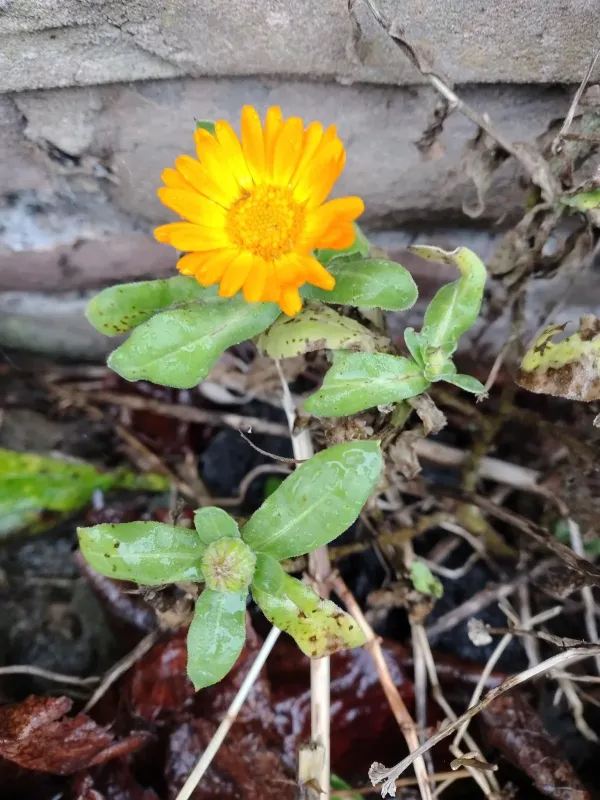
Description
Sowing dates
Calendula officinalis, commonly known as pot marigold, is a hardy annual belonging to the Asteraceae family, favored for its medicinal properties.
Seeds are typically sown in early spring as soon as the soil is workable, with a temperature of at least +8°C to ensure uniform germination.
Row spacing should be maintained between 40 and 60 cm to allow for proper airflow, reducing the risk of fungal infections later in the season.
The seeding depth is approximately 2–3 cm, and the optimal seed rate is managed to achieve an even plant density throughout the field.
Early sowing is beneficial as it allows the plants to establish strong root systems before the heat of mid-summer.
Growing requirements
This crop thrives in full sun but can tolerate partial shade; however, direct sunlight is essential for the maximum production of essential oils.
The plant is adaptable to various soil types, preferring well-drained, fertile soils with a neutral or slightly alkaline pH range.
Adequate moisture is critical during the germination and early growth stages, though mature plants demonstrate good drought tolerance.
Excessive nitrogen fertilization should be avoided, as it encourages excessive vegetative growth at the expense of flower production.
Regular weeding is essential during the first weeks of development to minimize competition and ensure a clean harvest later on.
Yield
The commercial yield of dried Calendula flowers typically ranges from 800 to 1200 kg per hectare depending on soil fertility and management practices.
Consistent flower harvesting is the most effective method to stimulate the plant to produce more blooms throughout the growing season.
Yield is positively correlated with the number of harvest cycles, which can continue until the first frost in late autumn.
Proper irrigation management during flowering can significantly increase the total weight and quality of the raw material.
Varietal selection plays a major role, as some cultivars are specifically bred for higher floral density and larger petal sizes.
Main diseases and pests
Powdery mildew is the most significant pathological threat, especially during seasons with high humidity and poor air circulation.
Root rot caused by pathogens like Pythium or Phytophthora can occur if fields remain waterlogged for extended periods.
Aphids often target the tender buds, which can stunt flower growth and introduce viral diseases to the crop.
Spider mites can also be problematic in hot and dry climates, damaging the foliage and reducing the photosynthetic capacity of the plants.
- Crop rotation with non-host plants to break infection cycles.
- Sanitation by removing infected plant debris immediately.
- Use of certified, high-quality seeds to prevent seed-borne issues.
Harvesting
Flowers should be harvested when the ray florets are fully open but the disc florets in the center are still largely closed.
The harvest must occur during dry weather conditions; picking damp flowers significantly increases the risk of mold during the drying process.
After harvesting, the flower heads must be transported to the drying facility immediately to prevent heating and degradation of carotenoids.
Drying is carried out in thin layers using forced-air dryers at temperatures not exceeding +45°C to preserve color and active ingredients.
Properly dried product should be brittle, retaining a bright orange or yellow color, and free from any external contaminants or dust.