
Sea Marigold
Calendula suffruticosa Vahl subsp. maritima (Guss.) Meikle
Description
Sowing dates
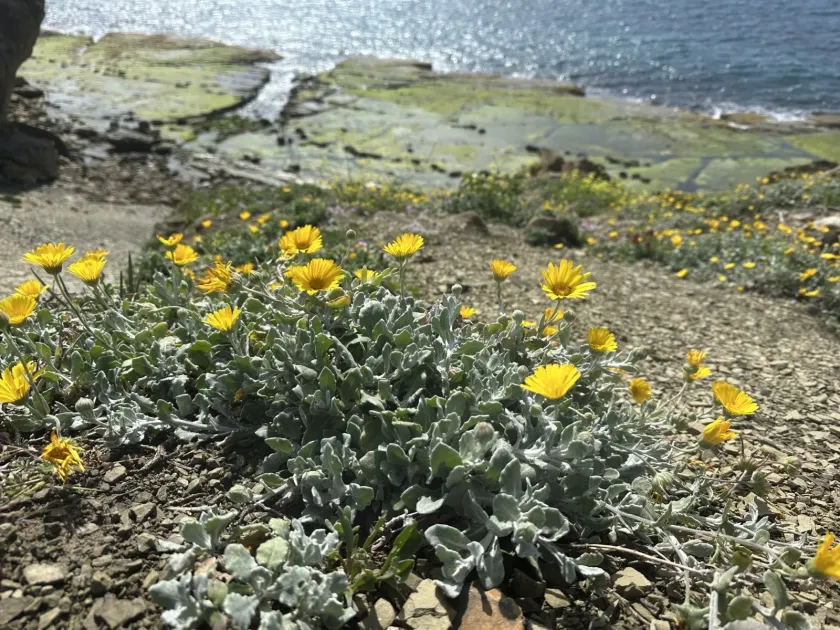
Sea marigold (Calendula suffruticosa subsp. maritima) is a perennial herbaceous plant belonging to the Asteraceae family. This subspecies is uniquely adapted to coastal environments, exhibiting significant resilience to maritime weather conditions.
Sowing typically takes place in early spring once the soil temperature consistently reaches 10-12 degrees Celsius. In milder climates, autumn sowing is also a viable practice, allowing the seeds to undergo natural stratification and germinate early in the spring season.
Seeds should be planted at a depth of 1.5 to 2 centimeters. Maintaining proper row spacing is essential for plant development, as it facilitates air circulation and reduces competition for light among the developing seedlings.
The plant requires full sun exposure to thrive and produce high-quality blossoms. Industrial cultivation models often favor a spacing of 30 centimeters between rows to allow for efficient weeding and harvesting operations.
Germination usually occurs within 7-10 days under optimal moisture and temperature conditions. Once the seedlings reach the four-leaf stage, thinning is recommended to maintain an optimal density of approximately 20-25 plants per square meter.
Growing requirements
The sea marigold is well-adapted to sandy and well-drained soil types. Its ability to tolerate salt-affected soils makes it an excellent choice for landscaping and agriculture in coastal regions where other common crops might struggle to survive.
The soil should have a neutral to slightly alkaline pH range, between 6.5 and 7.5. Good drainage is the most critical factor, as stagnant water can lead to root damage and fungal infections in the plant’s base.
While the plant is drought-tolerant, supplemental irrigation during the peak flowering phase significantly increases the yield and quality of the raw material. Avoiding overhead irrigation is recommended to keep the petals dry and prevent disease.
Fertilizer application should be moderate. An excess of nitrogen tends to encourage excessive foliage development at the expense of flower production, so it is better to prioritize phosphorus and potassium to boost reproductive health.
Regular cultivation and hoeing are necessary to keep the fields free of weeds. By keeping the surface layer loose, the grower also helps improve soil aeration, which is vital for the metabolic activity of the root system.
Main diseases and pests
The most common disease affecting the sea marigold is powdery mildew, which manifests as a white, dusty fungal growth on the foliage. High humidity and poor air circulation are the primary drivers of this condition.
Root rot, caused by excessive moisture, can devastate entire crops if the soil drainage is inadequate. Implementing a strict crop rotation schedule helps reduce the accumulation of soil-borne pathogens in the field over time.
Aphids are the primary pest for this species, feeding on the succulent tissues of buds and leaves. Beyond direct damage, they also act as vectors for various plant viruses, which can lead to stunted growth and reduced yields.
Integrated Pest Management (IPM) practices, including the use of beneficial insects and neem-based sprays, are highly effective. Frequent monitoring allows for the targeted application of control measures before pest populations reach critical levels.
Sanitation practices, such as the removal and destruction of crop residues at the end of the season, play a crucial role in preventing future outbreaks. Maintaining overall plant vigor through proper nutrition is the best defense against environmental stress.
Harvesting
Harvesting is conducted when the flowers are fully open but before seed formation begins. This stage represents the peak of essential oil and flavonoid concentration, which are essential for the plant’s pharmacological applications.
It is best to harvest during the morning hours, specifically after the dew has evaporated. Dry flowers ensure a more stable product during the drying process, significantly lowering the risk of mold or deterioration.
Freshly harvested blossoms must be dried immediately in thin layers within well-ventilated, shaded areas. The temperature must not exceed 40 degrees Celsius to prevent the degradation of heat-sensitive active compounds.
After reaching the desired moisture content, the dried material should be packed into airtight containers. Storage in a cool, dark place ensures the longevity of the product’s therapeutic and aromatic properties for up to two years.
Sea marigold is widely utilized in the pharmaceutical, cosmetic, and fragrance industries. Its unique biochemical profile makes it a valuable commodity for specialty crop producers looking for alternatives to traditional marigold varieties.