
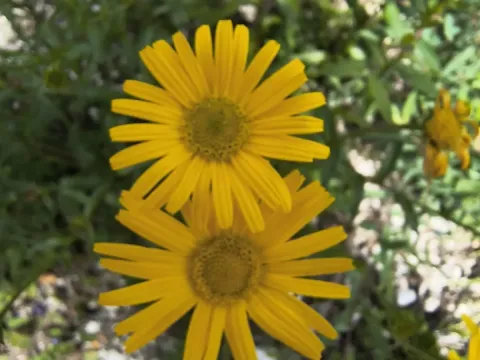
Yellow ox-eye
Buphthalmum salicifolium
Sowing Buphthalmum salicifolium seeds is most effective when performed in late autumn for winter stratification. Placing seeds directly into the soil before the first frost ensures the natural dormancy breaking process necessary for successful spring germination.
What the section contains
Yellow ox-eye
For spring sowing, seeds must undergo artificial stratification. This involves keeping the seeds in a moist substrate in a refrigerator at temperatures between 2 and 5 degrees Celsius for at least 4 to 6 weeks to simulate winter conditions.
When starting indoors, use a well-draining seed-starting mix. Surface sow the seeds, as they require light to germinate, and cover them very lightly with a thin dusting of vermiculite or fine sand to maintain moisture without burying them too deeply.
Maintain an ambient temperature of approximately 18–20 degrees Celsius. Ensure the growing medium is kept consistently moist but not waterlogged, as excessive water often leads to seed rot during the sensitive germination phase.
Once seedlings have developed at least two true leaves, they should be transplanted into individual pots to avoid root competition. Acclimatize the young plants to outdoor conditions gradually over a week before moving them to their permanent location in late spring.
Buphthalmum salicifolium, a member of the Asteraceae family, is a robust herbaceous perennial. It is highly valued in agriculture and horticulture for its hardiness and its brilliant, daisy-like yellow flowers that bloom throughout the summer months.
The plant thrives in full sun but tolerates partial shade. In environments with insufficient light, the plant tends to become leggy and produces fewer flower heads, so selecting a site with at least 6 hours of direct sunlight is optimal for growth.
Soil requirements are relatively modest, provided the drainage is excellent. It prefers fertile, loamy soils with a neutral pH. It is crucial to avoid heavy, clay-based soils that retain too much moisture, as these promote root diseases and stunted development.
Regular watering is essential during the establishment phase and periods of high heat. Once established, the plant shows moderate drought tolerance, although consistent moisture ensures better flower production and overall plant vigor.
Maintenance involves cutting back the dead stems in late autumn or early spring to encourage fresh growth. This perennial is naturally cold-hardy and generally does not require winter protection in temperate climate zones.
Root rot is the most common threat, usually stemming from over-irrigation or poorly drained soil sites. Preventing water accumulation around the crown of the plant is the primary strategy for managing this fungal issue.
Powdery mildew may manifest as a white powdery coating on the foliage during periods of high humidity and poor air circulation. Improving spacing between plants and ensuring adequate airflow are key cultural practices to prevent outbreaks.
Aphids are the most frequent pests, targeting the nutrient-rich new growth and flower buds. These insects can be controlled by applying horticultural soaps or biological predators like ladybugs if an infestation occurs.
Slugs and snails can severely damage young seedlings in the spring. Using copper barriers or organic slug pellets around the base of the young plants is a highly effective method to minimize grazing damage and preserve the foliage.
Regular monitoring of the site for any signs of leaf discoloration or wilting is vital for early detection of problems. Always clear away dead plant debris at the end of the season to reduce the overwintering habitat for pathogens and pests.