
Yellow crownbeard
Verbesina helianthoides
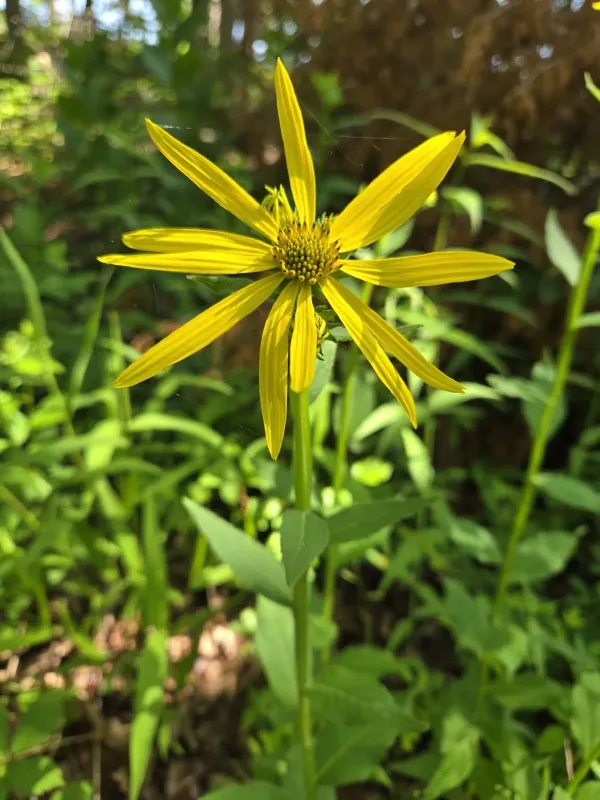
Description
Sowing dates
Seeds of Verbesina helianthoides, commonly known as yellow crownbeard, require a period of cold stratification to break dormancy. Sowing in late autumn or early spring is recommended to mimic natural conditions for optimal germination rates.
The seeds should be sown on the soil surface or covered with a very thin layer of substrate. Maintaining consistent moisture throughout the germination phase is critical for the development of healthy seedlings.
In field settings, the rows should be spaced to allow for proper airflow and development of the basal rosette. As the plant matures, its size increases significantly, necessitating adequate room to prevent overcrowding.
Temperature control during the initial stages is essential; the soil should ideally remain between 15 and 20 degrees Celsius. Rapid fluctuations in moisture levels can lead to poor establishment of young plants.
Once the plants develop several true leaves, thinning is recommended to ensure each individual specimen has enough space to access nutrients and sunlight, promoting vigorous growth and strong root formation.
Growing requirements
Yellow crownbeard belongs to the Asteraceae family and is native to open woodland and prairie habitats in North America. This perennial herb is valued for its hardiness and ability to thrive in various ecological conditions.
The plant prefers full sun to partial shade, with full sunlight providing the best results for flowering and overall stem structural integrity. It is quite adaptable to different soil types, including clay, loam, and sandy soils, provided they are well-draining.
Regarding moisture, the species exhibits excellent drought tolerance once established. Its deep root system allows it to access water from lower soil levels, making it a robust crop for areas with variable precipitation.
While the plant does not require heavy fertilization, incorporating organic matter into the soil prior to planting can boost vegetative growth. Neutral to slightly acidic soils are generally considered optimal for its development.
Regular maintenance involves removing competing weeds during the first year of the plant's life. Once the crown is established, the plant becomes highly competitive and requires minimal intervention.
Main diseases and pests
Common diseases affecting Verbesina helianthoides include powdery mildew, which tends to develop in conditions of high humidity and poor air circulation. Symptoms appear as a white, dusty layer on the foliage.
Insects like aphids and certain beetle species may target the foliage and flowers. While the plant is generally resilient, severe infestations can stunt growth and impact seed production during the late summer months.
Root rot is a significant risk in poorly drained soils. Ensuring that the planting site has an appropriate slope or adding drainage materials can prevent the saturation of the root zone, protecting the plant from fungal decay.
Integrated pest management, including the encouragement of beneficial insect populations, is the preferred method for maintaining crop health. Avoiding chemical pesticides helps preserve the local pollinator population.
Constant monitoring of the field is advisable, especially during the humid summer periods. Identifying early signs of stress allows for targeted management practices, ensuring long-term plant health and productivity.