
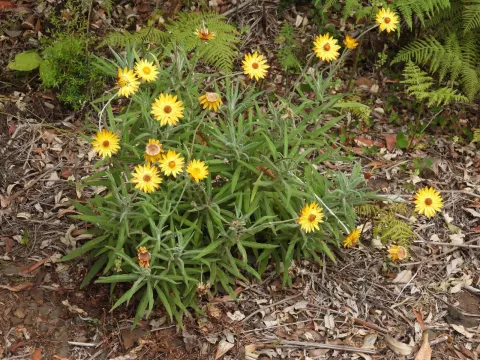
Xerochrysum
Xerochrysum x Helichrysum
Xerochrysum, commonly referred to as the strawflower, is a commercially significant genus within the Asteraceae family, prized for its durable, papery bracts.
What the section contains

Xerochrysum
For professional production, seeds are typically sown in greenhouse trays or plug cells several weeks before the last frost date to ensure early bloom development.
The seeds require light to germinate effectively; therefore, they should be surface-sown on a well-draining, sterile seed-starting mix and pressed gently into the medium.
Maintaining a consistent temperature between 20 and 22 degrees Celsius is crucial during the germination phase to ensure a uniform and high-quality stand of seedlings.
Transplanting into the field is carried out once the soil has warmed and the risk of frost has passed, ensuring plants are spaced adequately to promote airflow.
Xerochrysum thrives in full sun exposure, which is necessary for the development of vibrant colors and the structural integrity of the individual flower heads.
Well-draining, fertile, and slightly acidic to neutral soil is ideal; the crop is notably intolerant of waterlogged conditions that can compromise root health.
While the plant exhibits significant drought tolerance once established, consistent moisture is beneficial during the initial stages of rapid vegetative growth.
Low humidity levels are preferred, as excessive moisture in the air can predispose the plants to various foliar diseases and reduce the quality of the harvest.
Fertilization management should focus on phosphorus and potassium to encourage robust bloom production, avoiding high nitrogen levels that promote excessive foliage.
Botrytis, or gray mold, is a primary concern for this crop, particularly in environments with poor air circulation or extended periods of high humidity.
Powdery mildew may also manifest under specific climate conditions, requiring vigilant scouting and, if necessary, the application of appropriate fungicidal treatments.
Insect pests such as aphids and spider mites are frequent threats that feed on plant sap, leading to stunted growth and reduced marketability of the cut flowers.
Root rot can occur if soil drainage is inadequate or if irrigation practices are poorly managed, highlighting the importance of proper site preparation.
Integrated pest management strategies are recommended to maintain plant health while minimizing the environmental impact of chemical control measures.
The timing of the harvest is critical; flowers should be cut while they are still in the tight-bud stage to ensure optimal preservation for the dried floral market.
Cutting must occur before the central disk florets have fully opened and begun to shed pollen, which ensures the flower maintains its papery texture after drying.
Harvested stems should be bundled and hung upside down in a dark, dry, and well-ventilated area to facilitate a slow and uniform drying process for all parts.
Properly dried Xerochrysum is highly valued for its longevity and color retention, making it a staple product for year-round floral design and craft applications.
Post-harvest handling should involve minimal exposure to direct light to prevent fading, ensuring the product retains its commercial value throughout storage.