
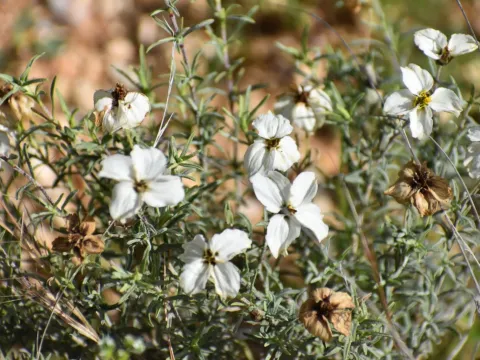
Zinnia pumila
Zinnia pumila
Zinnia pumila is a warm-season annual that requires stable, frost-free weather conditions to initiate growth and successful development in the field.
What the section contains
Zinnia pumila
Direct seeding is typically performed in late spring when the soil temperature is sufficiently warm to ensure rapid germination of the seeds.
When using a greenhouse for seedling production, sowing should occur four to six weeks before the planned transplanting date into the garden.
Seeds should be covered with a very thin layer of soil and maintained at a temperature of approximately 20 to 22 degrees Celsius for optimal results.
Proper spacing is crucial when transplanting to allow for sufficient airflow, which helps prevent the development of moisture-related diseases in the foliage.
This species thrives in locations with full sun exposure, which is critical for maintaining the plant's characteristic compact habit and intense flowering.
The ideal soil for Zinnia pumila is well-drained, fertile, and slightly alkaline or neutral, as it cannot tolerate prolonged wet conditions or poor drainage.
Watering management should focus on soil moisture levels, applying water directly to the base of the plant to keep the leaves dry during the day.
Regular cultivation of the soil surface helps to keep the planting bed free of weeds and improves the oxygen exchange within the root zone.
Providing a balanced fertilizer regimen during the growing phase promotes healthy vegetative growth and encourages the production of continuous flower buds.
Powdery mildew is the most common fungal disease affecting this species, especially when humidity levels remain high for extended periods of time.
Root rot can become a serious threat if the plants are situated in areas with poor drainage or if the soil remains constantly waterlogged.
Pests such as aphids and spider mites can colonize the foliage, requiring integrated pest management strategies to protect the crop's ornamental value.
Early identification of signs of stress or infestation allows for prompt application of appropriate control measures, such as spraying with biological agents.
- Monitor irrigation timing.
- Avoid overcrowding plants.
- Use resistant cultivars.