
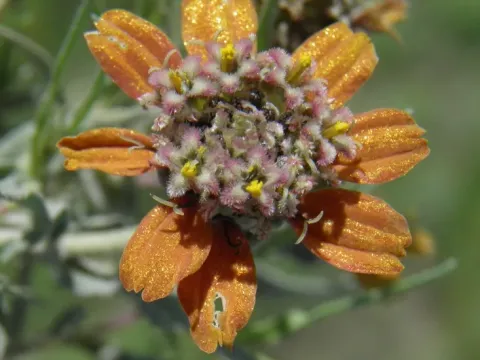
Zinnia anomala
Zinnia anomala
Zinnia anomala is a distinct member of the Asteraceae family, recognized for its compact growth habit and adaptation to arid environments. This herbaceous plant is valued for its resilience in difficult growing conditions.
What the section contains
Zinnia anomala
Direct sowing into the field is recommended once the risk of frost has fully passed. The soil temperature should ideally remain consistently above 15 degrees Celsius to ensure uniform germination.
For regions with a shorter growing season, starting seeds indoors is a viable option. Seeds should be sown in well-draining seed-starting mix about 6 weeks before the final frost date.
Minimal soil coverage is required for seeds, as they need light to germinate efficiently. Keep the substrate moist but not waterlogged during the sprouting phase.
Spacing is essential for the health of this species. Proper plant density prevents overcrowding and promotes the necessary airflow to prevent foliage diseases.
Native to the dry landscapes of Texas and Northern Mexico, this crop is naturally drought-tolerant. It thrives in locations that receive full sun exposure for the majority of the day.
The ideal soil for Zinnia anomala is gritty, well-draining, and nutrient-poor to moderate in quality. It performs poorly in heavy, clay-based soils that retain too much moisture.
This species is highly heat-tolerant, making it an excellent candidate for regions with extreme summer temperatures. It prefers low humidity levels for optimal physiological functioning.
Water requirements are relatively low compared to other ornamental cultivars. Deep, infrequent watering is preferred over light daily irrigation to encourage deep root system development.
- Excellent drainage
- Full sun exposure
- High temperature tolerance
The primary threats to this plant are fungal pathogens, specifically powdery mildew, which develops during periods of high humidity or poor ventilation.
Root rot is a significant risk in poorly draining soils. To mitigate this, ensure the planting site is elevated or modified with organic matter and sand to enhance permeability.
Common pests include aphids and spider mites, which can cause significant damage to young shoots and leaves, especially during prolonged dry spells.
Biological control agents or integrated pest management strategies are effective in maintaining healthy plant stands without the overuse of heavy chemical applications.
Regular sanitation, such as the prompt removal of infected plant debris, is vital for managing disease outbreaks in large-scale planting environments.