
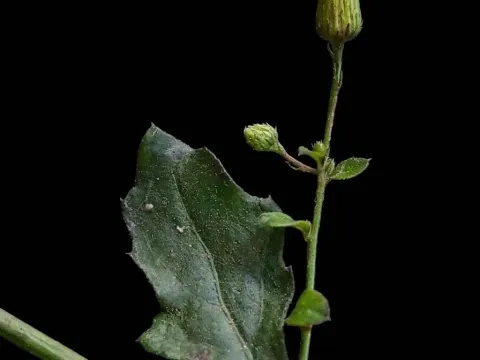
Blumea virens
Blumea virens
Blumea virens is a noteworthy member of the Asteraceae family, recognized for its aromatic foliage and therapeutic properties. It is a perennial herbaceous plant that thrives in humid environments typical of its native tropical Asian range.
What the section contains
Blumea virens
The plant originates from regions including India and Southeast Asia, where it prefers wet meadows and well-lit areas near water sources. Its biological nature dictates a preference for consistent tropical conditions with high humidity levels and year-round warmth.
Agricultural success depends on providing fertile, well-draining soils. While the plant loves moisture, it is prone to root rot if grown in heavy, waterlogged soils, making drainage an essential aspect of field preparation and soil management.
Climatic requirements are strict: the crop is intolerant of frost and requires stable, warm temperatures to complete its cycle. In regions with cool winters, greenhouse cultivation is the only viable option to ensure consistent harvest quality.
Economically, Blumea virens is valued primarily for its essential oils. These extracts contain various compounds with significant antimicrobial and anti-inflammatory potential, making the crop a subject of interest for both the pharmaceutical and cosmetic industries.
Fungal diseases are the primary threat to Blumea virens, especially in high-humidity cultivation settings. Phytophthora and powdery mildew are common pathogens that can rapidly degrade crop quality if not managed with proper air circulation.
Pests such as spider mites and aphids are frequently encountered during the growing season. They target the foliage, sucking plant sap and potentially transmitting harmful viruses, which necessitates careful monitoring of the crop canopy.
Integrated pest management (IPM) strategies, including the use of beneficial insects and resistant cultivars, are highly recommended. These practices help reduce dependence on chemical treatments while maintaining plant health.
Weed competition is particularly critical during the seedling stage. Young plants are relatively slow to establish, so effective pre-emergent or early post-emergent weeding is vital to ensure that the crop is not choked out by invasive species.
Sanitation practices are essential for disease prevention. Removing debris and infected plant parts from the field helps to break the disease cycle and ensures that the next production cycle starts without a high pathogen load.