
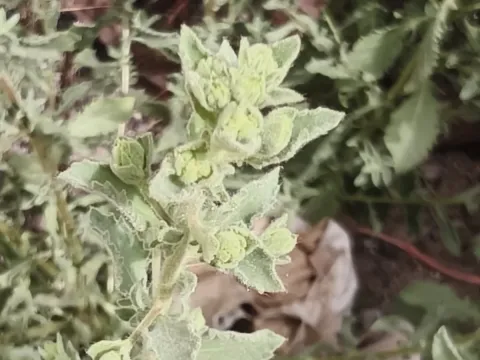
Blumea viscosa
Blumea viscosa
Sowing of Blumea viscosa seeds is typically performed in early spring once soil temperatures reach a stable range of 15–18 degrees Celsius. Due to the fine nature of the seeds, they should be sown shallowly or surface-broadcasted and gently pressed into the soil to ensure optimal seed-to-soil contact.
What the section contains
Blumea viscosa
Sufficient soil moisture is critical during the initial two-week germination phase. Utilizing row seeding with a spacing of 40–50 centimeters facilitates easier weeding and maintenance throughout the plant's vegetative cycle.
In regions with shorter growing seasons, starting Blumea in greenhouses or under protective covers is highly recommended. This practice ensures that seedlings are robust enough to establish themselves once transplanted into the open field.
Care must be taken to protect emerging sprouts from sudden late-season frosts, as the species is sensitive to cold temperatures. The use of organic mulch can also help retain moisture and reduce early-stage weed competition.
Successful sowing strategies depend on local climate data, with an emphasis on choosing a site that avoids low-lying areas prone to waterlogging after spring rains.
Blumea viscosa is an Asteraceae member that thrives in full sun, making it ideal for open, bright cultivation sites. It is fundamentally heat-loving, preferring stable temperatures between 22 and 30 degrees Celsius for peak physiological growth.
The plant performs best in loose, well-draining, and fertile loamy soils. It has a low tolerance for waterlogged conditions, which can lead to root degradation, necessitating sites with excellent drainage capabilities.
Water requirements are moderate, but consistent irrigation during the peak vegetative stage significantly boosts biomass production. While somewhat drought-tolerant, the plant shows its best growth when moisture levels are kept steady.
Fertilization regimes should prioritize nitrogen in the early growth phases to support leaf development. As the plant nears the flowering stage, transitioning to potassium and phosphorus-based fertilizers can aid in essential oil synthesis.
Regular soil cultivation or hoeing is essential to maintain soil aeration, which in turn promotes healthy root expansion and prevents the formation of a hardened soil crust.
The yield of Blumea viscosa biomass is highly variable based on environmental factors, averaging between 10 to 15 tons per hectare under optimal agricultural conditions. Professional management and irrigation are the key variables influencing these figures.
The quality and volume of essential oils derived from the plant determine its market value. Harvesting at the peak of the plant's physiological cycle ensures the highest concentration of these valuable volatile compounds.
Techniques such as drip irrigation significantly improve yields in arid or semi-arid cultivation zones. Such systems allow for precision nutrient delivery, further increasing the efficiency of oil production per hectare.
While biomass is the primary commodity, seed production is necessary for long-term farm sustainability. Dedicated seed-production blocks should be isolated to prevent cross-contamination and ensure genetic purity.
Consistent monitoring of seasonal yields allows growers to adjust their nutrient programs and harvest timings in subsequent years to maximize overall financial output.
Root rot represents the most significant threat to Blumea viscosa, primarily occurring in poorly drained soils or due to over-irrigation. Prevention through strict drainage management is the first line of defense against soil-borne pathogens.
Common pests, including aphids and various leaf-chewing insects, can quickly colonize dense plantations. These pests not only reduce overall biomass but can also harbor viral diseases that affect plant vitality.
Biocontrol methods, such as the use of predatory insects or organic sprays, are preferred over synthetic pesticides to ensure that the end product meets the strict safety standards of the herbal and cosmetic industries.
Crop rotation plays a vital role in disease suppression. Planting Blumea in soil previously occupied by non-host species helps reduce the buildup of soil-borne pathogens and improves long-term field health.
Early identification through regular field scouting is essential to mitigate the risk of disease spread. Targeted interventions at the first sign of trouble can save entire production cycles.
The harvest of Blumea viscosa is meticulously timed to occur at full bloom, which is the period when essential oil concentrations in the leaves and stems are at their absolute peak.
Mechanical harvesting is generally utilized in large-scale operations, where specialized mowers are used to cut the plants at a height that encourages healthy regrowth while maximizing the harvested biomass.
Immediate handling post-harvest is crucial. The raw material must be transported to processing facilities quickly to prevent degradation caused by heat and prolonged exposure to direct sunlight, which causes volatile loss.
Drying the material requires shaded, well-ventilated structures with temperature controls set between 35 and 40 degrees Celsius. Excessive heat during the drying process will destroy the very aromatic compounds that make the crop valuable.
Once dried, the crop is typically sorted and cleaned to remove impurities. Secure storage in a cool, dry, and dark environment is necessary to maintain the shelf life and potency of the essential oils until final extraction.