
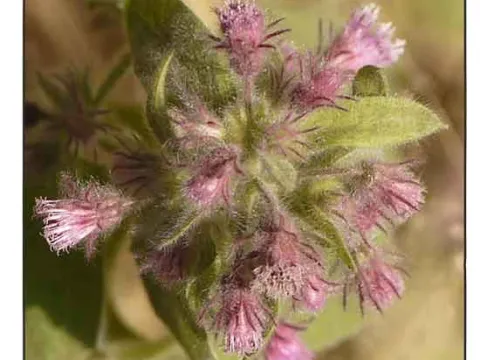
Blumea wightiana
Blumea wightiana
Blumea wightiana is a perennial herbaceous plant belonging to the Asteraceae family. It is recognized for its pharmacological properties and its potential as a source of high-quality essential oils.
What the section contains
Blumea wightiana
The plant originates from tropical regions, thriving in warm and humid environments. It requires significant solar exposure to maximize the accumulation of secondary metabolites in its leaves.
Agricultural success depends on well-drained, sandy loam soils with moderate fertility. The crop is highly sensitive to waterlogging, which often leads to root collar rot and stunted development.
Effective agronomic management includes precise irrigation scheduling to prevent drought stress while avoiding excessive moisture that lowers the concentration of active chemical compounds.
In industrial applications, the aerial parts of Blumea wightiana are harvested for medicinal extracts used in traditional medicine and modern pharmaceutical treatments due to their antimicrobial properties.
The primary insect pests affecting Blumea wightiana include aphids and spider mites, which can cause significant damage to foliage and inhibit proper plant growth.
Fungal pathogens such as powdery mildew represent a common threat, particularly in greenhouses or fields with poor ventilation and high humidity levels.
Integrated Pest Management (IPM) strategies, including the use of sticky traps and biological control agents, are recommended to maintain high standards of raw material quality.
Soil-borne diseases like Fusarium wilt require careful site selection and the implementation of a diverse crop rotation system to break the infection cycle in the soil.
Consistent field monitoring and sanitation practices are essential to ensure that the crop remains healthy throughout the entire growing season until the harvest period.