
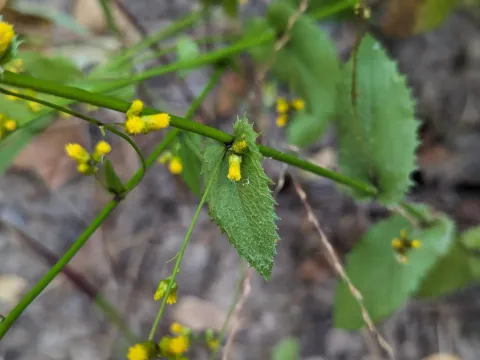
Blumeopsis
Blumeopsis
Blumeopsis is a genus within the Asteraceae family that requires specific attention during the sowing process. Due to the small size of the seeds, they should be sown on the soil surface or covered with a very thin layer of substrate to ensure proper germination.
What the section contains

Blumeopsis
The optimal time for planting is after the last spring frost when soil temperatures stabilize between 15-18 degrees Celsius. Direct seeding in well-prepared beds is standard practice, although greenhouse propagation can ensure a higher survival rate.
Adequate moisture is critical during the initial germination phase. The seedbed must be kept consistently moist but not waterlogged to prevent seed decay or fungal infections.
Proper plant spacing is essential to ensure good airflow. Crowded conditions promote humidity buildup and hinder the development of vigorous lateral shoots, which are necessary for high yield.
In regions with distinct seasons, early spring sowing is advised to allow the plants to establish a robust root system before the onset of the peak summer heat.
Blumeopsis thrives in well-drained, light-textured soils that allow for rapid root expansion. Soils with high organic matter content are preferred to provide sustained nutrient availability throughout the growth cycle.
The plant is highly heliophilic and requires full sun exposure to maximize photosynthetic activity. Lack of light results in etiolated growth and a significant reduction in the synthesis of secondary metabolites.
Watering requirements should be managed to avoid saturation. While the plant can withstand short periods of dryness, consistent soil moisture is required for optimal vegetative development.
The ideal soil pH range for Blumeopsis is between 6.0 and 7.0. Soils that are too acidic or too alkaline can limit the availability of critical micronutrients, causing chlorosis in the foliage.
A balanced fertilization strategy, focusing on potassium and phosphorus during the flowering stage, helps increase the concentration of essential oils and improves the overall resilience of the plant.
Root rot is the most significant threat, often induced by overwatering or poor soil drainage. Maintaining good drainage is the most effective preventative measure against this condition.
Powdery mildew may develop in dense plantings with poor ventilation. To prevent this, spacing must be managed effectively, and any infected leaves should be removed immediately to limit spread.
Aphids and spider mites are common pests that target the younger, more succulent tissues. Integrated pest management, including the use of neem oil or biological controls, is highly recommended.
Soil-borne nematodes can cause stunted growth and nutrient uptake issues. Proper crop rotation cycles are necessary to reduce the population density of these pests in the soil.
Regular field scouting is essential to identify threats early. Early intervention minimizes the need for synthetic chemicals and preserves the quality of the harvested biomass.
Harvesting should be timed precisely with the peak flowering stage. This is when the plant's essential oil production is at its highest, ensuring the highest quality for subsequent processing.
The aerial parts are harvested by cutting the stems at a specific height above the ground. This practice facilitates quicker regeneration and allows for multiple harvests within a single growing season.
Immediate post-harvest cooling is crucial. The harvested material should be transported to the drying facility quickly to prevent unwanted fermentation and degradation of active compounds.
Drying must occur in a well-ventilated, shaded environment. Temperatures should be kept below 40 degrees Celsius to prevent the evaporation of heat-sensitive aromatic compounds.
Once dried, the product should be stored in air-tight, light-proof containers. Proper storage maintains the integrity of the essential oils and extends the shelf life of the botanical material.