
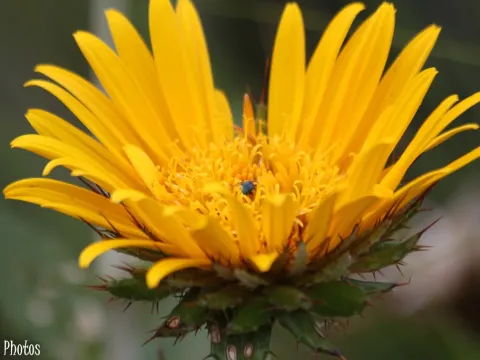
Berkheya
Berkheya
Sowing Berkheya seeds is most effective in early spring using a greenhouse approach to ensure proper temperature control. Seeds require consistent warmth and moderate moisture to germinate successfully.
What the section contains
Berkheya
When sowing in open fields, choose a location with excellent drainage and full sun exposure. The seeds should be lightly covered with fine soil to maintain adequate humidity without excluding light entirely.
Transplanting seedlings should occur once the danger of late spring frost has completely passed. The plants are sensitive to root disturbance, so handling the root ball with care is essential for survival.
Spacing is critical for Berkheya to thrive, as it helps prevent the overcrowding that leads to fungal diseases. Allow at least 50 centimeters between plants to provide sufficient airflow.
If direct seeding, ensure the ground is well-prepared and free from weed competition. Consistent monitoring of soil moisture during the first few weeks after sowing is vital for young root development.
Berkheya prefers well-drained, sandy or loamy soils that prevent waterlogging. It is remarkably hardy and can adapt to slightly rocky or low-fertility soils, making it a versatile plant for various landscapes.
Sunlight is the most important environmental factor for this species. It demands full sun to bloom properly and maintain the structural integrity of its stems, as shade leads to poor growth.
Water requirements for mature plants are relatively low due to their drought-tolerant nature. However, during the initial phases of development, regular, light irrigation is necessary to establish a robust system.
The cultural practice of mulching helps maintain soil moisture while suppressing weeds. Use organic mulch layers around the base of the plant to improve overall soil texture over time.
Fertilization should be handled with caution; excessive nitrogen can promote excessive vegetative growth at the expense of floral development. A balanced, slow-release fertilizer is recommended once annually.
Fungal pathogens are the primary concern for Berkheya, particularly when drainage is inadequate. Root rot and powdery mildew can quickly damage the plant if the environment remains too humid.
Aphids are the most common insect pests that target fresh, succulent growth during the peak of spring. Integrated pest management, including the use of biological control, is often effective.
In hot and dry summers, spider mites may become problematic. Monitoring the underside of leaves for fine webbing allows for early intervention before the infestation becomes widespread.
Slugs and snails can cause significant damage to young plants. Implementing physical barriers or organic baits around the perimeter of the crop can help mitigate these risks.
- Improved soil drainage systems.
- Proper crop rotation protocols.
- Regular inspection for early disease signs.
- Use of pest-resistant cultivars if available.