
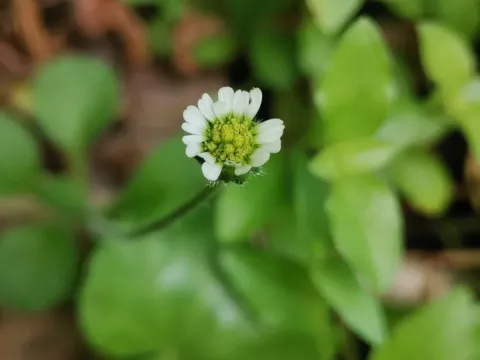
Bellis azorica
Bellis azorica
Seeds of Bellis azorica are typically sown indoors in late winter or early spring to ensure a long growing season. Use a light, well-draining seed-starting mix to promote healthy initial development.
What the section contains
Bellis azorica
Since the seeds are tiny and require light for germination, they should be sown on the surface of the growing medium rather than buried deep. Gently press them into the moist soil to ensure good seed-to-soil contact.
Maintain a consistent temperature of around 18–20 degrees Celsius. Cover the containers with clear plastic to retain humidity until the first seedlings emerge, which usually takes two to three weeks.
Once the seedlings develop their true leaves, they should be transplanted into individual pots. Proper spacing is essential to prevent overcrowding and to promote sturdy growth before outdoor planting.
Hardening off the plants is a necessary step before moving them to the garden. Gradually expose them to outdoor conditions over a week to prevent transplant shock caused by temperature fluctuations.
Bellis azorica, a member of the Asteraceae family, is a botanical treasure originating from the Azores. It thrives in cool, maritime conditions and exhibits a compact growth habit.
The plant prefers semi-shaded environments where it is protected from intense midday sun. This mimics its natural habitat, where diffused light and consistent atmospheric moisture prevail.
A rich, loamy soil with high organic matter content is ideal for this species. Ensure the planting site has excellent drainage, as the roots are highly susceptible to rot in waterlogged conditions.
Regular irrigation is vital to keep the root zone slightly moist, especially during dry spells. However, ensure that the soil surface can dry out slightly between waterings to prevent fungal issues.
While the plant is hardy in mild climates, it benefits from a light layer of mulch during winter in colder regions. This protects the crown from frost heaving and extreme cold temperatures.
Fungal diseases, particularly powdery mildew and gray mold, are the most frequent threats. These occur primarily in poorly ventilated areas or under conditions of excessive humidity.
Slugs and snails are the most notorious pests for this species. They are particularly attracted to the succulent, low-growing foliage and can cause significant damage overnight if not managed.
Aphids may occasionally infest the developing buds, weakening the plant. Monitoring the undersides of the leaves and stems is essential for early detection and prompt intervention with eco-friendly soap sprays.
Root rot is often a symptom of poor drainage or overwatering. If the base of the plant shows signs of browning or softening, it is crucial to adjust the irrigation regime immediately.
Good cultural practices, such as maintaining proper spacing between plants and avoiding overhead watering, serve as the most effective preventative measures against most diseases.