
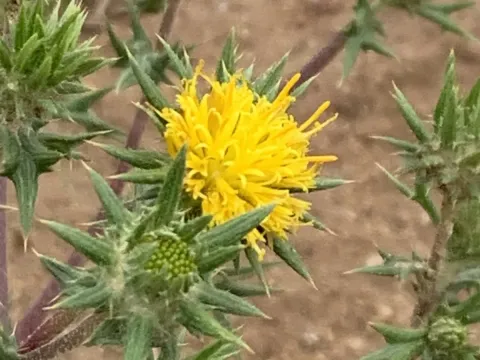
Berkheya pinnatifida
Berkheya pinnatifida
Berkheya pinnatifida is an interesting member of the Asteraceae family, typically propagated through seeds in controlled environments. Seed viability is highest when seeds are fresh and stored in dry, cool conditions.
What the section contains
Berkheya pinnatifida
Sowing should take place in late winter or early spring using high-quality seedling trays. The seeds require a well-draining potting medium to ensure proper oxygenation and to prevent damping-off diseases.
Light plays a crucial role in germination; therefore, seeds should only be lightly covered with a fine layer of vermiculite or soil. Maintaining a constant temperature is vital for uniform emergence.
Once the true leaves develop, seedlings require sufficient space to prevent overcrowding, which can lead to elongated and weak stems. Transplants are moved to pots before the final planting phase.
Acclimatizing the plants to outdoor conditions is necessary before moving them to the field. This process, known as hardening off, helps the young plants adapt to fluctuating outdoor temperatures.
This species thrives in sunny environments and requires a location with full exposure to sunlight. Proper lighting is essential for developing its unique pinnatifid leaf structure and vibrant flowers.
Soil requirements focus on excellent drainage capacity. Berkheya pinnatifida does not tolerate waterlogged conditions, which often result in root decay and overall plant decline.
The plant demonstrates good drought tolerance once established. However, supplementary irrigation during the peak growing season ensures consistent development and aesthetic appeal.
Fertilization should be handled with care, using balanced fertilizers that provide nitrogen, phosphorus, and potassium. Over-fertilization can result in lush growth that is more prone to diseases.
Given its native climatic preferences, the plant requires protection from extreme cold and frost, making it suitable for moderate climates or controlled garden settings.
The most common pests affecting Berkheya pinnatifida include aphids, which tend to congregate on the soft, succulent parts of the plant. Regular monitoring is the best defensive strategy.
Fungal infections, such as powdery mildew, are frequently observed when humidity levels rise significantly without adequate airflow, leading to white spots on the foliage.
Root rot is a major threat caused by pathogenic fungi present in damp, compacted soil. To mitigate this, ensure the soil structure remains loose and aerated at all times.
Slugs and snails may attack young plants during wet seasons. Implementing physical barriers or organic pest control methods can effectively protect the developing foliage from being eaten.
To manage disease outbreaks, it is essential to practice good hygiene by removing any dead or decaying plant material immediately to prevent the spread of fungal spores.