
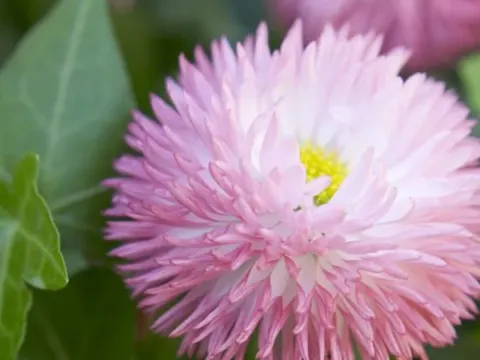
Bellis hybrids
Bellis hybrids
Bellis hybrids, belonging to the Asteraceae family, are typically cultivated as biennials in commercial and ornamental flower production to ensure optimal blooming cycles.
What the section contains
Bellis hybrids
Sowing is generally performed in early summer. The seeds are very small and light-dependent; they must be pressed gently into the substrate without being covered by soil to ensure germination.
Once seedlings have developed two sets of true leaves, they are pricked out and transplanted. Maintaining proper spacing is crucial to prevent damping-off diseases during the initial growth phase.
Transplanting into the final field or container is best done in late summer or early autumn, allowing the plants to establish a robust root system before the onset of winter dormancy.
For large-scale cultivation, controlled climate greenhouses are often used to start seeds, ensuring uniform development before moving the plants to outdoor flower beds.
Bellis hybrids thrive in full sun but benefit from partial shade in extremely hot climates, which helps maintain soil moisture and prolongs the flowering season.
The ideal soil is fertile, well-drained, and rich in humus. Heavy clay soils that retain excessive water should be amended with organic matter or sand to prevent root rot.
Consistent irrigation is essential throughout the growing season. Since the root system is shallow, the soil should be kept evenly moist but never waterlogged to ensure healthy development.
Fertilization with balanced NPK fertilizers is recommended to support continuous bud formation. Excessive nitrogen, however, should be avoided as it encourages leafy growth at the expense of flowers.
To ensure plant longevity, deadheading spent blooms is a standard agricultural practice. This prevents seed set and encourages the plant to put energy into new flower production.
Powdery mildew represents a significant threat to Bellis hybrids, especially during humid weather conditions. Proper plant spacing and good air circulation are the primary methods of prevention.
Gray mold (Botrytis) can affect plants during periods of prolonged dampness. Removing affected leaves and improving drainage are essential steps to mitigate the spread of this pathogen.
Pests such as aphids and spider mites can infest the foliage, leading to yellowing and stunted growth. Integrated pest management strategies, including biological controls, are highly effective.
Gastropods, including slugs and snails, are frequent visitors that can consume the tender foliage. Protecting young plants with physical barriers is often necessary in wet seasons.
Regular monitoring of the field is vital for early detection of issues. A healthy, well-nourished plant is naturally more resistant to the diverse pressures of pests and fungal infections.