
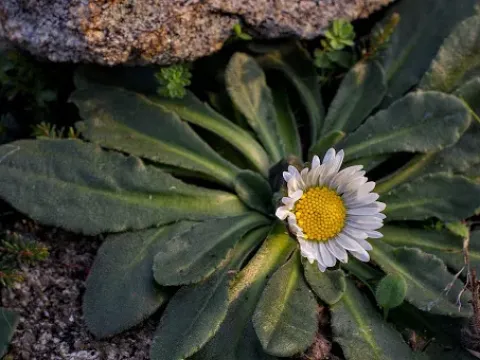
Bellis pappulosa
Bellis pappulosa
Sowing Bellis pappulosa is best initiated in late winter or early spring using seed trays filled with a light, well-draining seed-starting mix. The seeds require light for germination, so they should be sown on the surface and pressed down gently without covering them deeply.
What the section contains
Bellis pappulosa
Temperature control during the germination phase is critical, with an ideal range of 18 to 20 degrees Celsius. Keeping the soil consistently moist via gentle misting ensures that the delicate seeds do not dry out before they can establish their first roots.
Once the seedlings have developed their first true leaves, they should be transplanted into individual pots to facilitate root development. Hardening off the plants by gradually exposing them to outdoor conditions is necessary before final planting.
When the danger of frost has passed, the hardened seedlings can be set out in the garden. Spacing should be maintained at roughly 15 to 20 centimeters apart to allow for proper airflow and to accommodate the plant's natural rosetting growth habit.
Direct sowing in the autumn is also possible in milder climates. This method allows the plants to establish their root systems during the cooler months, often resulting in more robust and earlier flowering the following season.
Bellis pappulosa belongs to the Asteraceae family and prefers locations that receive full sun to partial shade. Ensuring the plants get enough sunlight is essential for stimulating flower production and maintaining a compact growth habit.
The species thrives in fertile, well-draining soils. A light loam that is rich in organic matter provides the best balance of nutrient availability and moisture retention while preventing the risk of waterlogging in the root zone.
Maintaining a neutral to slightly acidic soil pH is ideal for nutrient absorption. Incorporating well-composted organic material into the soil profile prior to planting will significantly improve soil structure and long-term plant health.
Regular watering is necessary, especially during periods of active growth and flowering. However, gardeners must avoid waterlogged conditions, as Bellis pappulosa is susceptible to root rot if left in standing water for extended periods.
Although it is a hardy plant, providing winter protection in colder regions can enhance survival rates. A thin layer of mulch around the base of the plant helps to insulate the roots against freezing and prevents soil heaving.
The primary disease threat for Bellis pappulosa involves fungal infections such as powdery mildew, which can manifest during periods of high humidity. Improving spacing between plants is the most effective preventative measure against these pathogens.
Pests like aphids and spider mites can infest the foliage, particularly during dry, warm spells. Regular monitoring of the underside of the leaves is advised so that infestations can be addressed with insecticidal soaps or biological controls.
Slugs and snails often pose a significant challenge in damp, shady areas of the garden. Implementing barrier methods or using organic traps can successfully protect young foliage from these common garden pests.
Root rot, resulting from poor drainage or overwatering, remains a persistent danger. Ensuring that the planting site has adequate slope or drainage layers can prevent the onset of these destructive fungal conditions.
- Regular weeding prevents competition for nutrients and water.
- Deadheading faded flowers promotes continuous blooming throughout the season.
- Sanitation practices, like clearing debris, reduce the risk of overwintering pests.