
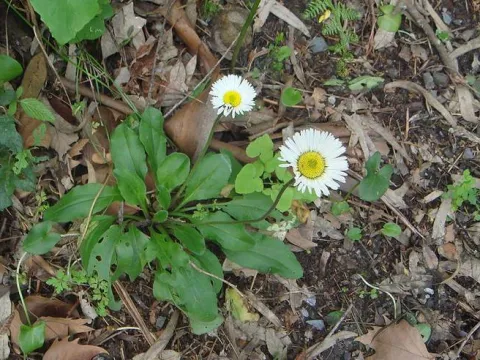
Bellis bernardii
Bellis bernardii
Sowing of Bellis bernardii is typically conducted in early spring when soil temperatures reach stable levels. For propagation, seeds should be surface-sown on a well-draining moist substrate as they require light for germination.
What the section contains
Bellis bernardii
When sowing in trays, maintain a temperature of approximately 15–18 degrees Celsius. Seedlings usually emerge within two weeks, provided they are kept in a bright location with consistent humidity.
For outdoor sowing, spacing of 20 centimeters between individual plants is recommended to ensure optimal airflow. This prevents the overcrowding that can lead to foliage rot in the dense leaf rosettes.
Self-seeding is a common feature of this species, making it an excellent candidate for meadow-style plantings or naturalized garden areas. Autumn sowing is an option in milder climates to establish early spring root systems.
Young plants should be hardened off before being transplanted into their final garden position. This process helps them adapt to environmental stressors such as fluctuating wind and sunlight levels.
Bellis bernardii belongs to the Asteraceae family and is an endemic plant originating from high-altitude regions of Corsica and Sardinia. It is well-adapted to rocky, alpine-like conditions.
The crop requires a position in full sun to partial shade with a gritty or sandy loam soil. Excellent drainage is critical for survival, as the species does not tolerate waterlogged conditions at its roots.
Soil pH should ideally be neutral to slightly acidic. While the plant is accustomed to nutrient-poor mountain soils, an occasional light application of balanced fertilizer can enhance the vibrancy of its blossoms.
Watering requirements are moderate; however, the soil must never be allowed to dry out completely during the peak flowering stage. Irrigation should focus on the soil base rather than the foliage to prevent rot.
The plant demonstrates significant hardiness to cold temperatures. Its compact habit makes it suitable for rock gardens, borders, and as a low-maintenance ground cover in appropriate climatic zones.
Powdery mildew represents the most frequent fungal threat to Bellis bernardii, particularly during humid seasons with poor airflow. Maintaining proper plant spacing is the best prophylactic measure.
Botrytis, or gray mold, can affect the flowers and stems when stagnant moisture persists. Removing spent flower heads promptly helps reduce the risk of this infection spreading.
Gastropods, specifically slugs and snails, are major pests that feed on the succulent leaves. Implementing biological control or physical barriers can effectively protect the plants from damage.
Aphid infestations can occur during rapid growth phases, weakening the plant. Regular monitoring of the underside of leaves allows for early intervention before the population expands significantly.
Root rot, often caused by soil compaction or excessive irrigation, can be fatal. Ensuring the soil structure remains porous is essential for the long-term health and vigor of the root system.