
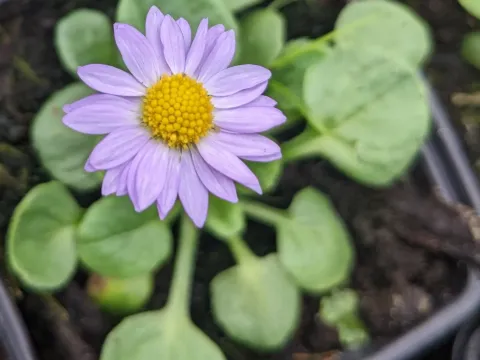
Bellis rotundifolia
Bellis rotundifolia
Bellis rotundifolia, commonly known as the round-leaved daisy, belongs to the Asteraceae family. This perennial plant is native to the mountainous regions of North Africa, thriving specifically within the diverse ecosystems of the Atlas Mountains.
What the section contains
Bellis rotundifolia
The seeds of this culture are typically sown in late spring once the danger of frost has passed. Propagation can also be achieved through nursery-raised transplants, which allows for better establishment and earlier flowering during the peak summer season.
For successful germination, seeds require a light covering of soil and ample access to natural light. Maintaining a temperature range between 18 and 20 degrees Celsius is optimal, ensuring that seedlings emerge consistently within approximately two weeks.
When transplanting into the field or garden, plants should be spaced 15 to 20 centimeters apart. This spacing promotes healthy airflow, which is critical for preventing fungal diseases and ensuring the formation of robust, uniform leaf rosettes.
In terms of production, the round-leaved daisy is highly valued by nurseries for its aesthetic appeal and compact growth habit. While not a large-scale agricultural crop, it remains a staple in ornamental horticulture for borders and alpine rock gardens.
The plant thrives in well-drained, sandy loam soils that possess a neutral to slightly acidic pH level. Proper drainage is the most critical requirement, as the root system is highly sensitive to waterlogging and subsequent decay.
Bellis rotundifolia is a sun-loving species that performs best in full sun, although it can tolerate partial shade during the heat of the afternoon. Excessive shading will often result in legginess and a reduction in the number of floral stems produced.
Consistent moisture levels are essential for healthy growth, especially during periods of drought or high heat. A regular irrigation schedule ensures that the foliage remains vibrant and that the plant maintains its structural integrity throughout the season.
Fertilization should be handled carefully, applying a balanced mineral fertilizer twice during the growing period. Over-application of nitrogen must be avoided, as it encourages excessive vegetative growth at the expense of flower production.
Winter hardiness is moderate, requiring protection in colder climates to ensure survival. Applying organic mulch around the base of the plant can help regulate soil temperature and prevent frost damage during severe winter conditions.
Fungal diseases, particularly powdery mildew, are the primary health concern for this species. These issues are most prevalent in areas with high humidity and poor ventilation, highlighting the importance of site selection and spacing.
Root rot represents a significant threat when soil conditions are too damp. Preventing this requires diligent monitoring of soil moisture and ensuring that drainage systems are functional before planting, especially in clay-based or heavy soils.
Aphids and spider mites are the most common pests that affect the round-leaved daisy. They tend to attack young growth, so routine inspections are necessary to implement biological or chemical control measures before large infestations occur.
Gastropods such as slugs and snails are problematic in wet springs, as they find the tender leaves highly palatable. Using physical barriers or non-toxic baits is a common practice among gardeners to protect young rosettes from being eaten.
Viral infections can cause mosaic patterns on leaves or deformed flower heads. Because there is no cure for viral diseases in plants, the standard management strategy is to identify, rogue, and destroy infected individuals to stop the spread.