
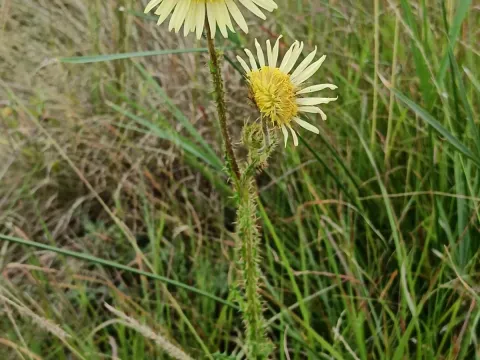
Berkheya radula
Berkheya radula
The sowing of Berkheya radula is typically carried out in early spring when the soil temperature consistently reaches at least 15 degrees Celsius. For propagation, seeds should be sown in containers during March, utilizing a well-draining germination mix to ensure optimal conditions for the delicate seedlings.
What the section contains
Berkheya radula
Direct outdoor sowing is possible in regions with mild climates once the danger of spring frost has completely passed. The seeds require shallow planting, ideally at a depth of no more than 1 centimeter, to facilitate quick emergence and access to surface light.
Maintaining a constant, light level of moisture during the germination phase is critical for success. Seeds of this species are known for their efficiency, but they require a stable environment to overcome the initial dormancy stages often found in wild aster-related species.
Once the seedlings reach a transplantable size, they should be spaced approximately 40–50 centimeters apart. This spacing is vital for the plant to establish its deep root system without competition, promoting robust development throughout the growing season.
For large-scale cultivation, pre-sowing soil preparation including deep tillage is recommended. This ensures that the soil structure is loose enough for the taproot of the plant to penetrate deeply, which is essential for its long-term health and stability.
Berkheya radula belongs to the Asteraceae family and is native to regions characterized by high solar radiation and periodic dryness. Consequently, it thrives in full sun exposure and performs best when planted in areas with unobstructed daylight throughout the entire day.
The soil requirements for this culture are relatively straightforward: it prefers well-draining, sandy-loam or loamy soils. It is highly sensitive to waterlogging, as standing water in the root zone quickly leads to decay and eventual plant death.
Drought tolerance is one of the key agronomic features of this plant. Once established, it requires minimal irrigation, making it an excellent candidate for regions where water resources are limited or during dry summer months.
Soil pH should ideally be neutral or slightly alkaline. While the plant can tolerate a variety of soil types, nutrient-rich soils with good aeration promote the most vigorous growth and enhance the overall aesthetic and productive qualities of the foliage.
Fertilization should be handled with care; a balanced NPK fertilizer applied in the spring is usually sufficient to support growth. Excessive nitrogen application should be avoided, as it may result in succulent growth that is more susceptible to environmental stressors.
The primary threat to Berkheya radula is root rot, which occurs in poorly drained or overly saturated soil conditions. Ensuring proper site selection and using raised beds can significantly mitigate the risk of these water-related issues during rainy seasons.
Common pests such as aphids and spider mites may target the plant, particularly during prolonged dry spells. Routine inspection of the leaf underside is recommended, and the application of insecticidal soaps is often enough to control minor infestations without systemic damage.
Powdery mildew can occasionally affect the foliage if air circulation is inadequate. Planting at appropriate densities and ensuring good ventilation around the base of the plant are the best preventive measures to maintain plant health throughout the season.
Slugs and snails can be problematic for young seedlings, especially in the early spring months. Physical barriers, such as copper tape or organic mulch barriers, provide effective protection without the need for harsh chemical molluscicides.
Implementing a regular monitoring schedule for diseases and pests allows for early intervention. By removing symptomatic leaves or isolated plants quickly, the spread of pathogens is curtailed, ensuring the long-term sustainability of the entire crop.