
Berlandiera
Berlandiera
Berlandiera seeds are best sown in early spring, once the soil has warmed sufficiently. Both direct seeding in open ground and indoor propagation are common methods for establishing these plants.
What the section contains

Berlandiera
For container-grown seedlings, start seeds about 6–8 weeks before the last frost. Place seeds on the surface of the soil, as they require light for successful germination, and press them lightly into the substrate.
Maintaining consistent moisture is vital during the initial germination phase. Once the seedlings develop two sets of true leaves, they should be hardened off gradually before moving outdoors.
If sowing directly in the garden, choose a site with excellent drainage. Keep the soil lightly moist until seeds sprout, but ensure the area does not become waterlogged or prone to mud.
Proper spacing is crucial for plant development, typically requiring 30–45 cm between individuals to allow for adequate airflow and to reduce the risk of disease.
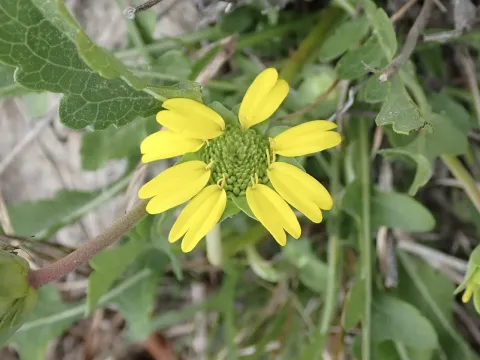
Berlandiera is a genus of perennial plants in the Asteraceae family, native to the arid and semi-arid regions of North America. These plants are well-known for their daisy-like flowers with a cocoa-like scent.
The culture requires full sun exposure to flourish. Providing at least 6 to 8 hours of direct sunlight daily is essential for maintaining a compact growth habit and consistent flowering.
Drought tolerance is a signature trait of this genus. Once established, plants require minimal supplemental watering, making them excellent choices for xeriscaping or low-maintenance landscapes.
The soil must be well-drained, ideally sandy or gravelly in texture. Heavy, clay-rich soils should be amended with organic matter or grit to improve permeability and prevent root rot.
Berlandiera thrives in neutral to slightly alkaline soil conditions. Over-fertilization should be strictly avoided, as it leads to weak, leggy stems and reduces the overall floral display.
The most significant threat to Berlandiera is root rot, which typically occurs due to poor soil drainage or excessive watering. Ensuring the site allows water to drain rapidly is the primary preventative measure.
Powdery mildew may occur if air circulation is insufficient or during periods of high humidity. Proper plant spacing is the most effective way to prevent the buildup and spread of fungal spores.
Pests like aphids and spider mites can occasionally affect the foliage. Regular monitoring is encouraged to identify infestations early, allowing for simple management techniques like water sprays.
Biological pest control is preferred over chemical interventions to maintain the ecological balance of the garden. Encouraging beneficial insects can naturally manage minor pest outbreaks.
In spring, slugs and snails can feed on tender new seedlings. Utilizing physical barriers such as crushed eggshells or copper tape around the base can effectively protect the young plants.
While Berlandiera is primarily used for ornamental purposes, harvesting seeds is a standard practice for propagation. Wait until the seed heads have turned dark and brittle before collecting them.
Harvesting should be done on a dry day to ensure seeds are free from moisture. Spread the seed heads in a cool, well-ventilated area to dry completely before storing them in paper envelopes.
Deadheading spent flowers is highly recommended, not only for aesthetics but also to stimulate the plant to produce more blooms throughout the growing season.
Store seeds in a cool, dark, and dry environment. Properly labeled seeds can remain viable for several years, providing a reliable supply for future planting seasons.
Preparing the plant for winter by cutting back dead foliage after the first frost helps the crown remain healthy and ensures vigorous regrowth when temperatures rise again in the spring.