
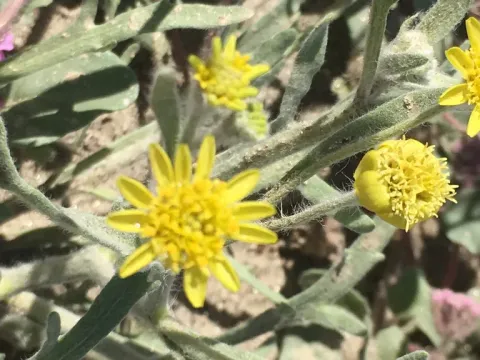
Baileya
Baileya
Sowing Baileya seeds is best performed in early spring once soil temperatures have consistently risen above the freezing point.
What the section contains
Baileya
Seeds of this genus exhibit good germination rates, but they benefit from being sown in a well-draining, sandy seed-starting mix.
When starting indoors, seeds should be sown in late winter to ensure they are established before the last spring frost passes.
Transplanting into the garden should be done carefully, as the root systems of desert-native plants are often sensitive to disturbance.
Direct sowing in the final location is highly effective if the soil has been cleared of competing weeds and properly prepared.
Baileya is a genus of herbaceous plants in the Asteraceae family, native to the arid desert regions of the Southwestern United States and Mexico.
The plant is highly adapted to intense sunlight, requiring full sun exposure to maintain its compact growth habit and vibrant yellow blooms.
Soil requirements focus on excellent drainage; heavy clay soils should be amended with grit or sand to prevent moisture retention issues.
This crop is exceptionally drought-tolerant and thrives in environments where rainfall is infrequent and evaporation rates are high.
Standard agrotechnical practices for Baileya involve minimal intervention, as it is naturally suited for xeriscape gardens and low-water landscapes.
The primary threat to the health of Baileya is excess moisture, which leads to root and crown rot if soil drainage is insufficient.
Fungal pathogens thrive in poorly ventilated or excessively humid microclimates, making proper plant spacing essential for air circulation.
Pests such as spider mites may infest the foliage during prolonged hot and dry periods, causing leaf discoloration and decline.
Aphids can occasionally colonize young flower buds, though they rarely cause fatal damage to established, mature specimens.
Prevention relies on choosing elevated or sloped planting sites and avoiding irrigation practices that saturate the immediate root zone.
The economic and practical use of Baileya is centered on its ornamental value, particularly for rock gardens and arid land landscaping.
Flower heads intended for dried arrangements are harvested at the peak of bloom to ensure lasting structural and color integrity.
Seed harvesting should be undertaken when the seed heads turn dry and brittle, indicating that the seeds have reached physiological maturity.
Cleaning and storing seeds in a dry environment allows for viable propagation in subsequent growing seasons with minimal effort.
Pruning spent flower stalks encourages continuous blooming throughout the warmer months and keeps the plant looking tidy in garden settings.