
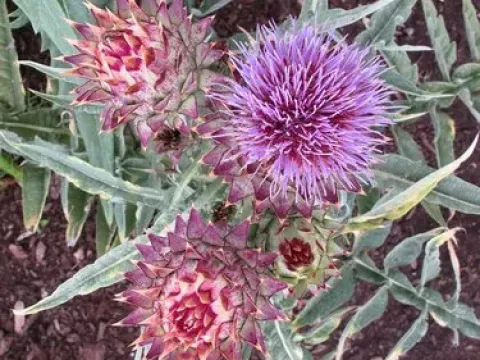
Baetic artichoke
Cynara baetica
The Baetic artichoke (Cynara baetica) is a perennial herbaceous plant belonging to the Asteraceae family. It is a distinct species often found in the Mediterranean basin, known for its specific ecological adaptation to dry and rocky environments.
What the section contains
Baetic artichoke
Sowing should take place in early spring when the soil temperature consistently reaches 10–12 degrees Celsius. The seeds require sufficient depth for germination, typically around 2–3 centimeters in well-prepared, loose soil.
For more predictable results, sowing in trays or seedling pots is highly recommended. This practice ensures that young plants are protected from fluctuating temperatures and pests during their most vulnerable stage of development.
Transplanting should be done once the threat of frost has passed. Care must be taken not to disturb the root ball, as the plant is sensitive to transplant shock, which can lead to stunted growth in the first year.
Spacing is a critical factor for success; plants should be placed at least 80–100 centimeters apart to accommodate the large, sprawling leaf rosettes that the Baetic artichoke produces as it matures.
This species thrives in areas with high solar radiation. Full sun exposure is essential for the development of robust stalks and healthy foliage, which in turn supports the formation of flower heads.
The soil must have exceptional drainage. While the plant can tolerate poor soil quality, it cannot survive in waterlogged conditions, which lead to root rot and other fungal diseases that rapidly compromise the plant.
A neutral to slightly alkaline soil pH is optimal for nutrient uptake. Incorporating organic matter, such as aged compost or well-rotted manure, improves soil structure and water-holding capacity without causing nutrient imbalances.
Watering management is key, especially during the peak of the growing season. A deep watering approach, where the soil is moistened thoroughly but allowed to dry out slightly between cycles, is more effective than frequent shallow watering.
Given its Mediterranean origin, the Baetic artichoke is somewhat drought-tolerant but will produce higher yields when supplemental irrigation is provided during critical developmental stages, such as flower initiation.
Aphids are the most prevalent pest for this crop, often clustering on the undersides of leaves and flower buds. Regular monitoring and, if necessary, the application of horticultural soaps are effective management techniques.
Powdery mildew is a common fungal threat, particularly in environments with high humidity and poor air circulation. Improving plant spacing and avoiding overhead irrigation can significantly reduce the incidence of this disease.
Crown rot caused by various soil-borne pathogens can be devastating. Prevention centers on selecting well-draining sites and strictly avoiding the over-application of water, especially during cooler, cloudy periods.
Snails and slugs can inflict significant damage on young seedlings. Barrier methods, such as copper tape or crushed eggshells around the base of the plant, provide an effective, chemical-free deterrent against these gastropods.
Weed competition should be minimized through mulching. Weeds not only compete for nutrients and water but also act as reservoirs for various viruses and pests that can easily transmit to the artichoke plants.
Harvesting the Baetic artichoke should be performed before the bracts open and the purple-blue flowers emerge. At this stage, the base of the flower head is tender and provides the best culinary or structural quality.
Careful timing is necessary, as the maturation of flower heads can happen over a staggered period. Regular checking of the plants is required to ensure that each head is harvested at its peak quality.
Use a sharp, sanitized knife or secateurs to cut the stalks, leaving the remaining foliage intact. Clean cuts help prevent moisture accumulation and reduce the risk of infection at the site of the wound.
Post-harvest handling involves moving the heads to a cool, dark environment as quickly as possible. If the heads are to be stored, they should be kept in a high-humidity environment at temperatures just above freezing.
After the harvest season, the stalks can be cut back to near the crown. This practice helps the plant divert energy into root reserves for the following season, promoting longevity and hardiness for the upcoming year.