
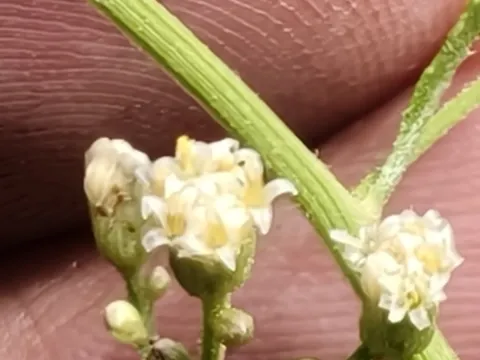
Baccharis multiflora
Baccharis multiflora
Baccharis multiflora is a member of the Asteraceae family, originating from the diverse ecosystems of South America, specifically the mountainous terrains.
What the section contains
Baccharis multiflora
The sowing process typically commences in early spring, once the risk of frost has passed and the soil temperatures are conducive to seed germination.
Seeds should be planted in trays or directly into well-prepared seedbeds, ensuring that they are covered only by a thin layer of soil to remain exposed to light.
Standard horticultural practice involves maintaining consistent moisture levels during the germination period, which usually lasts for several weeks.
Once seedlings have developed their first true leaves, they are hardened off and transplanted into their permanent positions in the field with adequate spacing.
This species thrives in well-drained, porous soils; it is quite versatile but performs best in substrates that prevent waterlogging and facilitate root aeration.
Exposure to full sunlight is critical for the metabolic processes of Baccharis multiflora, directly influencing its growth rate and the density of its foliage.
While the plant exhibits moderate drought tolerance once established, regular irrigation is highly recommended during the peak growing season for optimal results.
Climatic requirements focus on moderate temperature zones, as the shrub may struggle in extreme frost conditions without protective measures like mulching.
Routine maintenance tasks include periodic pruning, which encourages a bushy structure and prevents the plant from becoming excessively woody or sparse.
Baccharis multiflora is highly regarded in apiculture as an excellent source of nectar, significantly boosting honey production in regions where it is cultivated.
In addition to its ecological role, the plant is investigated for its potential to produce bioactive compounds used in the chemical and cosmetic industries.
The biomass of the plant is sometimes utilized for soil stabilization efforts, especially on slopes where erosion control is a major agricultural concern.
Agricultural yields are maximized through strategic harvesting of the flowering branches at the peak of the bloom cycle to preserve essential oils.
Sustainable harvesting practices ensure that the plants remain healthy and continue to provide benefits for multiple years, making it a perennial resource.
Common pests include mites and scale insects, which often target stressed plants, necessitating vigilant monitoring throughout the vegetative phase.
Fungal pathogens represent the most significant threat, particularly in humid climates where poor air circulation encourages the growth of mold and rot.
Integrated pest management (IPM) strategies, including the use of neem oil or biological controls, are preferred over synthetic chemical applications.
Proper field hygiene, such as removing fallen leaves and pruning infected twigs, is essential to minimize the inoculum load for the following season.
Regular inspections and maintaining optimal plant spacing are fundamental to mitigating the spread of pathogens and ensuring overall crop health.