
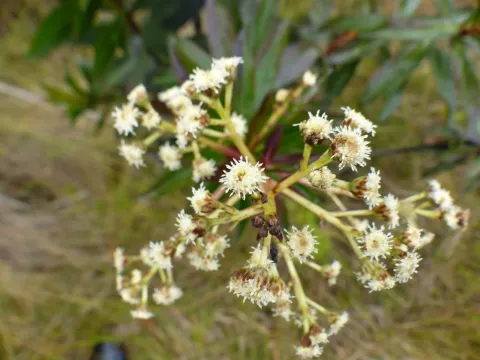
Baccharis brachylaenoides
Baccharis brachylaenoides
Baccharis brachylaenoides is a perennial shrub species belonging to the Asteraceae family. Known for its robust growth, this plant typically forms a dense, woody structure that can reach several meters in height, playing a vital role in its native ecosystem.
What the section contains
Baccharis brachylaenoides
The plant originates from Southern Africa and is well-adapted to varied environmental conditions, primarily growing on slopes, forest margins, and open areas with sandy or rocky soils. It thrives in regions with adequate sunlight exposure throughout the year.
Optimal growth requires well-draining soil to prevent root issues. While it is highly tolerant of poor soil nutrient profiles, it performs best in soils with a slightly acidic to neutral pH. Proper soil aeration is critical for its long-term health and stability.
The species is remarkably drought-tolerant, utilizing a deep taproot system to access subsurface moisture during dry periods. It prefers mild climatic conditions and is generally frost-sensitive, requiring protection if exposed to extreme sub-zero temperatures.
Agrotechnically, this plant is frequently utilized for erosion control and as a natural windbreak. Routine maintenance involves periodic pruning, which encourages a denser canopy and keeps the shrub within manageable proportions for landscaping or agricultural border use.
The most significant threat to Baccharis brachylaenoides is the development of root rot, typically caused by waterlogged soils or excessive irrigation. Ensuring a perfect drainage system is the primary defense strategy against this destructive condition.
Pests such as aphids and spider mites represent common challenges, particularly during the hot and dry seasons. These insects concentrate on tender foliage, potentially causing stunted growth and leaf deformation if they are not managed through regular monitoring.
Fungal infections, including leaf spot diseases, can occur if the plant is grown in areas with poor air circulation. Overcrowding in plantations significantly increases the humidity within the canopy, creating an ideal environment for pathogenic fungi to spread.
Integrated pest management (IPM) should be applied to control outbreaks effectively. This includes the use of organic or systemic pesticides, depending on the severity of the infestation, and the manual removal of heavily affected branches to contain the spread.
Regular sanitation, including the removal of dead or decaying plant material, is essential for maintaining plant vigor. By keeping the base of the plant clear of debris and ensuring good airflow, cultivators can significantly reduce the pressure from both diseases and common garden pests.