
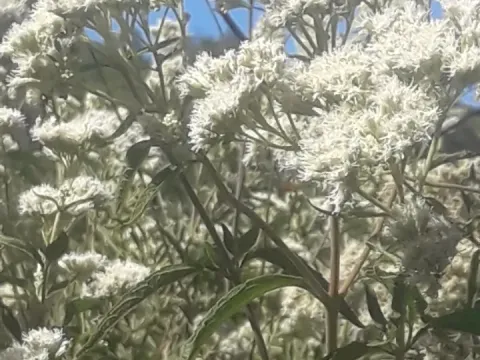
Austroeupatorium
Austroeupatorium
Austroeupatorium is a genus of perennial plants and subshrubs belonging to the Asteraceae family. These plants are closely related to Eupatorium and are known for their robust growth habits and distinctive inflorescences.
What the section contains

Austroeupatorium
Originating from South America, the genus has adapted to tropical and subtropical climates. It thrives in regions where the growing season is long and the climate provides sufficient humidity for healthy vegetative development.
In terms of soil requirements, this culture prefers well-drained, fertile, and nutrient-rich soils. While it can adapt to various conditions, maintaining a consistent moisture level is crucial for achieving high biomass production.
Botanical characteristics include upright, branched stems that may become woody at the base over time. The leaves are typically opposite, serrated, and possess a deep green color, contributing to the plant's aesthetic value in landscapes.
Agronomic management requires balanced fertilization to support vigorous growth. It is highly valued for its ability to stabilize soil and provide cover, making it an interesting subject for environmental landscaping and botanical studies.
The main threats to Austroeupatorium include fungal infections such as powdery mildew, which often occurs in stagnant air or humid environments. Proper plant spacing is essential to ensure adequate airflow and reduce risk.
Common pests that may affect this plant are aphids and spider mites, which typically target the succulent growth at the tips of the stems. Early identification and biological control methods are the most effective management strategies.
Root rot remains a significant concern, particularly in heavy clay soils with poor drainage. Ensuring that the soil remains well-aerated prevents the development of opportunistic soil-borne pathogens.
Occasional infestations of caterpillars may cause leaf damage during the peak growing season. Regular monitoring and hand-picking are often sufficient for managing these pests without the need for intensive chemical applications.
To ensure long-term health, it is recommended to conduct soil tests periodically to check for nutrient deficiencies that might predispose the plant to environmental stress and secondary pest attacks.