
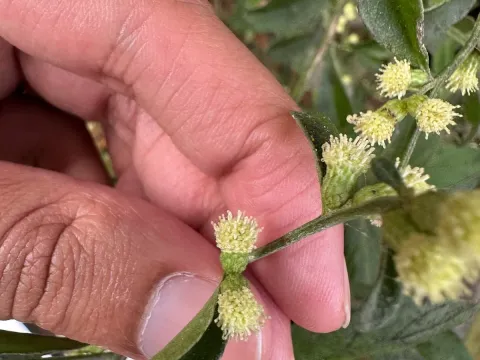
Baccharis glomeruliflora
Baccharis glomeruliflora
Baccharis glomeruliflora, commonly known as the cluster-flowered Baccharis, is a perennial shrub belonging to the Asteraceae family. This species is native to the southeastern United States, where it typically inhabits wetlands, coastal areas, and forested regions.
What the section contains
Baccharis glomeruliflora
Botanically, it is distinguished by its unique cluster-like floral arrangements. It thrives in high-moisture environments and demonstrates a preference for acidic, organic-rich soils. Unlike some other shrubs, it is well-adapted to the conditions found in boggy or damp ecosystems.
Climate requirements for this culture are strictly subtropical. It requires long growing seasons and is highly sensitive to frost. Farmers or gardeners cultivating this species must ensure adequate light exposure, as Baccharis glomeruliflora performs poorly in deep shade.
The agrotechnical management of this plant involves maintaining soil moisture and monitoring its development to prevent overcrowding. It is highly valued in environmental restoration projects due to its root structure, which helps stabilize banks and moist ground.
Economically, it serves as an ornamental plant in specialized landscaping and is useful for erosion control. Its ability to tolerate wet feet makes it a candidate for specific landscape niches where other shrubs might fail due to root suffocation.
One of the primary threats to Baccharis glomeruliflora is powdery mildew, a fungal infection that thrives in humid, stagnant air. Proper spacing and pruning are essential to improve air circulation and reduce the incidence of fungal outbreaks.
Pests such as aphids and scale insects are frequent visitors, attacking tender new growth. These insects can cause significant stunted growth if not addressed promptly with either biological control agents or targeted horticultural treatments.
Root rot remains a significant concern, especially if the soil drainage is compromised. If the plant remains in saturated soil for extended periods without oxygen exchange, the root system can succumb to opportunistic pathogens, leading to sudden decline.
Leaf-feeding insects may also pose a threat during the active growth phase. While the plant is generally robust, severe infestations can reduce its aesthetic value and photosynthetic capacity, making it vulnerable to secondary infections.
Integrated pest management (IPM) practices are recommended to maintain the health of the shrub. Regular monitoring for signs of stress, such as yellowing leaves or wilting, allows for early intervention and ensures the longevity of the plant population.