
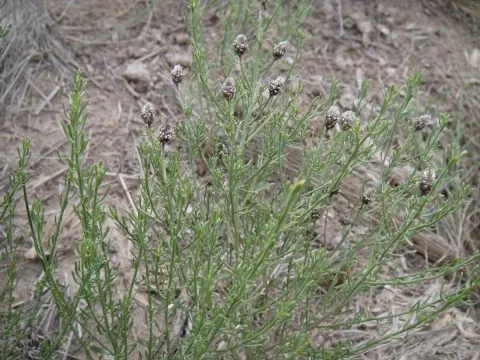
Baccharis gillesii
Baccharis gillesii
Baccharis gillesii is a perennial subshrub belonging to the Asteraceae family. Native to the diverse landscapes of South America, specifically Argentina and Chile, it has evolved to thrive in challenging environments.
What the section contains
Baccharis gillesii
The plant exhibits remarkable adaptability to various soil types, ranging from sandy to rocky textures. It requires well-drained conditions, as excessive soil moisture is detrimental to the health of its root system.
Climate requirements for this species include high exposure to sunlight and an ability to withstand prolonged drought periods. It is specifically adapted to regions with low precipitation and significant temperature fluctuations.
Botanically, Baccharis gillesii is recognized by its rigid stems and specialized foliage designed for moisture retention. Its extensive root system provides stability to the soil, making it a crucial component in land restoration efforts.
In agricultural practice, it is often utilized for soil stabilization and as a resilient vegetation cover on degraded lands where more demanding crops fail to establish successfully.
Baccharis gillesii possesses an inherent resilience against various pests, primarily due to the presence of secondary metabolites that act as natural deterrents against herbivorous insects.
Despite this natural defense, fungal diseases remain a potential threat. Specifically, root rot may occur if the plant is subjected to waterlogged conditions or poor site preparation.
During extreme weather events, particularly heatwaves, the plant may become susceptible to infestations of mites or leaf-feeding insects that take advantage of temporary physiological stress.
Effective management strategies include ensuring adequate air circulation through proper planting density and avoiding excessive irrigation that could create favorable conditions for pathogens.
Regular monitoring of the canopy and soil moisture levels is recommended to prevent disease outbreaks, ensuring the long-term health and stability of the Baccharis population.