
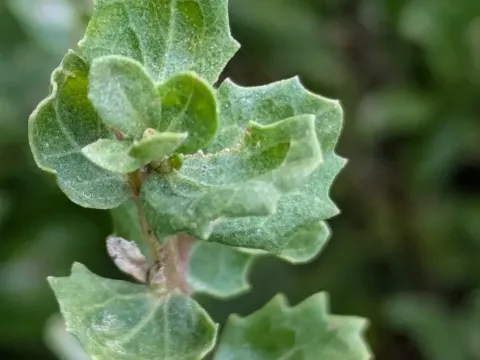
Baccharis
Baccharis L.
Propagation of Baccharis for agricultural and landscaping purposes is most commonly achieved through vegetative methods, specifically stem cuttings. Planting rooted cuttings in the ground is best performed in the spring season after the risk of frost has passed and the soil has sufficiently warmed up.
What the section contains


Baccharis
Seed propagation is less frequently utilized due to uneven germination rates, though it allows for a broader genetic range. When using seeds, they are typically sown in prepared substrate during late winter to produce healthy seedlings for transplanting.
Direct sowing in open ground is only feasible in regions with mild climates, where there is no risk of soil freezing. The optimal time for planting seedlings is during the phase of active sap flow, which promotes faster adaptation of the root system to the new environment.
An important requirement for planting is maintaining adequate spacing between rows, which should be at least 1.5 to 2 meters. This ensures sufficient nutritional area for each shrub and facilitates easier access for ongoing maintenance and care.
For the creation of hedgerows or windbreaks, planting is conducted using a dense pattern within the rows. This approach allows for the rapid formation of a robust physical barrier that is highly effective at retaining soil and preventing wind erosion.
Baccharis belongs to the Asteraceae family and is a vigorous shrub that adapts well to various soil types, including poor sandy soils and saline grounds. This plant is characterized by its high degree of resilience to unfavorable environmental conditions.
The crop prefers sunny, well-illuminated sites, although it is capable of tolerating partial shading. The primary climate requirement is the absence of critically low temperatures, as many Baccharis species are thermophilic and can be damaged by severe frosts.
In terms of water management, the plant exhibits significant drought tolerance once its root system is firmly established in the soil. However, for intensive vegetative growth during the early stages of life, regular irrigation is highly beneficial.
Soil preferences vary depending on the specific species, but most members of the genus develop successfully in well-drained substrates with a neutral or slightly acidic reaction. It is essential to avoid sites with stagnant groundwater or waterlogged conditions.
Agricultural management includes periodic sanitary and formative pruning. Removing old or damaged shoots stimulates the growth of new branches, which significantly enhances the shrub's aesthetic value and its functional utility in landscape design.
The agricultural and economic use of Baccharis covers several areas, including land reclamation and biomass production. In certain regions of South America, specific species are used as a source of forage for livestock during arid periods.
The plant is valued for its ability to rapidly accumulate biomass, making it a promising candidate for bank stabilization and soil erosion control. Its extensive root system effectively binds the soil, preventing the degradation of agricultural land.
Essential oils contained in the leaves of some Baccharis species find applications in traditional medicine and the perfume industry. Scientific studies indicate the presence of biologically active compounds that possess notable antiseptic properties.
Biomass yield depends on planting density, soil fertility levels, and moisture availability during the growing season. When grown industrially for technical purposes, weed control is essential during the first two years of the crop's establishment.
In ornamental horticulture, the yield is defined as the aesthetic output, expressed through the annual growth of shoots that form a dense, attractive canopy capable of withstanding harsh weather conditions.
The primary pests affecting Baccharis are sap-sucking insects, such as aphids and scale insects, which can damage young shoots and leaves. Regular inspection of the plants helps in timely identifying and managing infestation hotspots.
Fungal diseases, often caused by excessive soil moisture or poor aeration, can lead to the development of root rots. To prevent these issues, it is necessary to adhere to proper irrigation schedules and ensure the presence of high-quality drainage systems.
In regions where the plant is native, it may suffer from specialized pests that limit the shrub's over-proliferation. In managed cultivation, control is typically achieved using biological or chemical insecticides if pest populations reach economic thresholds.
Leaf spot diseases of various origins can emerge in crowded plantings where air circulation is restricted. Preventive measures consist of maintaining correct planting schemes and performing timely sanitary pruning of the plant canopy.
Young seedlings may be damaged by small rodents during the winter months. To protect the main stems, specialized wire meshes or protective wrapping materials are employed if high populations of rodents are observed in the growing area.