
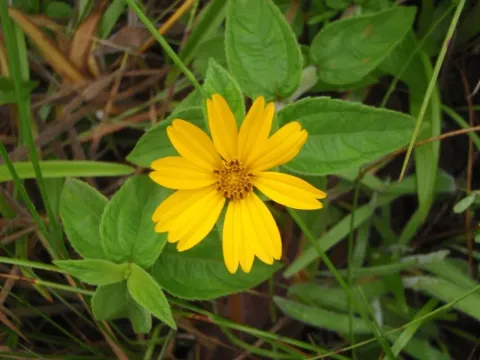
Aspilia
Aspilia Thouars
Aspilia is a genus of herbaceous perennials and subshrubs belonging to the Asteraceae family. Native primarily to the tropical regions of Africa, these plants are known for their resilience and ability to thrive in diverse ecological niches.
What the section contains

Aspilia
The plant requires full sun exposure and well-drained soils to reach its full development potential. Loamy and sandy-loam soils are ideal, providing both the necessary structure for root growth and efficient moisture regulation.
Climatically, Aspilia is adapted to warm environments and exhibits significant drought tolerance. It is well-suited for cultivation in regions characterized by distinct dry and wet seasons, where it maintains vitality throughout the year.
Botanically, species within this genus are characterized by their rough, often hairy leaves and distinct yellow daisy-like flower heads. The plant structure is designed to minimize moisture loss, making it highly efficient in sun-drenched habitats.
In terms of utility, Aspilia is widely recognized for its medicinal applications, particularly in traditional healthcare for wound healing and inflammation control. Researchers are also investigating its potential as a supplementary forage crop for livestock.
Root rot caused by waterlogged soil conditions represents the primary physiological threat to Aspilia. Proper soil drainage and avoiding over-irrigation are critical maintenance steps to ensure the long-term health of the crop.
Common insect pests, including aphids and leaf-eating beetles, may occasionally infest the plants. Integrated pest management strategies, such as maintaining beneficial insect habitats, effectively control these populations.
Weed competition poses a significant challenge during the seedling establishment phase. Early intervention with cultivation or mulching is necessary to prevent weeds from outcompeting the young Aspilia plants for nutrients and space.
Fungal diseases like powdery mildew can emerge in overly dense plantings with poor air circulation. Proper spacing between individual plants is recommended to promote airflow and prevent the buildup of pathogenic spores.
Ensuring balanced soil fertility, particularly with appropriate phosphorus and potassium levels, helps the plant maintain vigor and improves its natural defense mechanisms against various environmental stresses.