
Salmea
Salmea
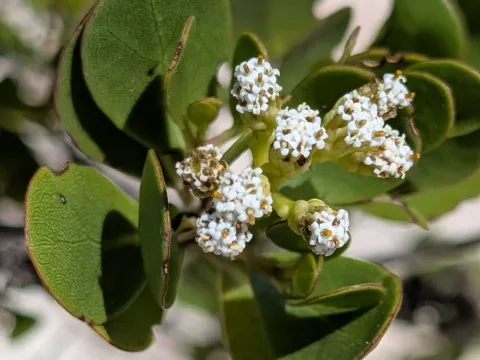
Salmea is a genus of flowering plants belonging to the Asteraceae family. It consists primarily of perennial shrubs and vines that are native to the tropical regions of the Americas.
What the section contains
Salmea
The growth of this culture is highly dependent on tropical environmental conditions, characterized by high humidity levels and stable, warm temperatures throughout the year.
Soil requirements for Salmea include excellent drainage and a high content of organic matter. The plants thrive in slightly acidic to neutral soil types typical of tropical forest edges.
In terms of light exposure, the species generally require bright, indirect sunlight, especially during the active growing phase to support metabolic processes.
Agricultural management of Salmea involves regular monitoring of soil moisture levels, as the root system is highly sensitive to both waterlogging and prolonged drought.
Common phytosanitary threats to Salmea include various fungal pathogens such as leaf spot and root rot, often exacerbated by poor air circulation.
Insect pests, notably aphids and spider mites, pose a significant risk to the foliage, which can lead to reduced plant vigor and decreased biological productivity.
Management strategies focus on preventive measures, including the application of organic horticultural oils and the removal of infected plant debris.
Environmental stress, such as sudden temperature drops or extreme humidity fluctuations, can weaken the plants and make them more susceptible to infestations.
Integrated pest management (IPM) is highly recommended for cultivators to ensure sustainable growth and maintain the health of the entire crop population.