
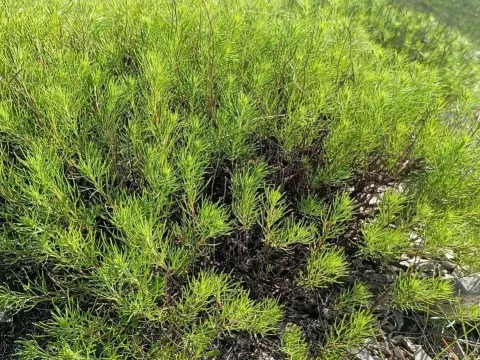
Salt-marsh wormwood
Artemisia salsoloides
Salt-marsh wormwood (Artemisia salsoloides) is a perennial subshrub belonging to the Asteraceae family. It is natively adapted to harsh, arid environments and is classified as a significant xerophyte capable of thriving in extreme conditions.
What the section contains
Salt-marsh wormwood
The plant requires high solar exposure to maintain its physiological functions. It is perfectly suited for semi-desert and steppe zones where intense sunlight and limited precipitation define the ecological landscape.
Soil requirements for this culture are specific; it thrives in well-drained, saline, or rocky substrates where other crop species often fail to germinate. Its ability to tolerate high salt concentrations makes it a pioneer plant for salt-affected soils.
The root system of Artemisia salsoloides is exceptionally deep, allowing the plant to tap into groundwater reserves. This structural adaptation provides resilience against severe droughts, which is a critical feature for its survival in arid regions.
It demonstrates high plasticity regarding temperature fluctuations. The plant is resistant to both extreme heat during the day and significantly lower temperatures at night, ensuring stability in its geographical range.
The agricultural importance of this species is centered on its role as a high-quality forage plant. In arid regions, it serves as a reliable source of nutrition for livestock, particularly sheep and camels, during the critical winter months.
The biomass of Artemisia salsoloides contains essential nutrients and minerals that support the growth and health of grazing animals. Proper management of grazing cycles ensures a sustainable yield of green mass throughout the vegetative period.
Beyond forage, the plant is widely utilized for phytomelioration purposes. Its ability to stabilize loose, sandy soils prevents wind erosion and helps restore degraded land in desert-prone agricultural zones.
Potential industrial uses involve the extraction of bioactive compounds from its essential oils, which have demonstrated antimicrobial properties. However, the primary focus remains on its ecological and fodder value for desert farming.
Economic yields are optimized by managing the plant density in cultivated plots. By mimicking natural seeding patterns, farmers can maintain self-renewing populations that require minimal human intervention for long-term productivity.
Overgrazing stands as the primary threat to Artemisia salsoloides populations. Excessive livestock pressure prevents the plant from setting seed and replenishing its energy reserves, which can lead to the degradation of the pasture.
Fungal diseases are a secondary concern, occurring mostly in dense stands where air circulation is restricted. Moist conditions combined with poor drainage can lead to rust or powdery mildew infections that affect leaf quality.
Specific insect pests can damage the reproductive organs of the plant, reducing seed set and natural regeneration. Monitoring for pest activity is essential, especially when the plant is used in restoration projects.
Weed competition during the seedling stage is a significant risk. Young plants are relatively slow to establish, and invasive species can quickly overwhelm them if the site is not adequately managed or prepared.
To mitigate these threats, rotational land use is highly recommended. By allowing periods of rest, the natural resilience of the plant is maintained, enabling it to recover from herbivory and manage potential pest outbreaks effectively.