
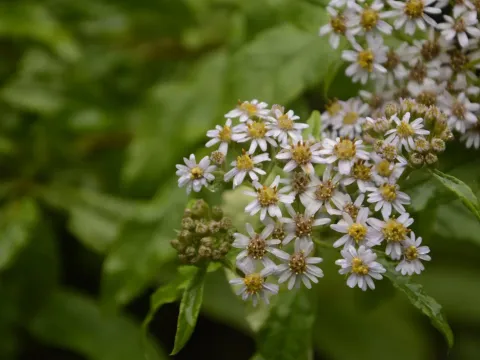
White-stemmed aster
Aster albescens
Aster albescens, commonly known as the white-stemmed aster, is a perennial herbaceous plant belonging to the Asteraceae family. Originating from the mountain regions of Asia, it has adapted to specific climatic conditions characterized by cool temperatures and distinct seasonal changes.
What the section contains
White-stemmed aster
This species requires well-drained, fertile soil to thrive. It performs best in substrates that mimic its natural habitat, which are typically loamy or sandy. Ensuring proper drainage is essential, as the roots are highly susceptible to rot if subjected to waterlogged conditions for extended periods.
When selecting a site, it is crucial to provide full exposure to sunlight. While the plant can tolerate light shade, maximum solar radiation is preferred to maintain the structural integrity of the stems and to promote consistent flowering during the late summer and early autumn months.
Agricultural management for Aster albescens includes maintaining moderate moisture levels through the peak of the growing season. While the plant is relatively hardy, supplemental irrigation during prolonged droughts is beneficial for preventing stress and maintaining ornamental quality.
Botanically, the plant is distinguished by its silvery-pubescent foliage and refined flower heads. Its cultivation is primarily directed toward ornamental use in landscaping, where it serves as a robust perennial that requires relatively low maintenance once established in the garden environment.
The primary pathological threats to the plant include various fungal infections, notably powdery mildew, which often occurs during periods of high humidity and poor air circulation. Sanitation of the planting area is key to preventing the spread of these pathogens.
Pest populations such as aphids and spider mites can occasionally affect the vitality of the plant. Integrated pest management strategies, involving both cultural practices and periodic monitoring, are recommended to maintain the health and vigor of the Aster albescens populations.