
White thoroughwort
Eupatorium album
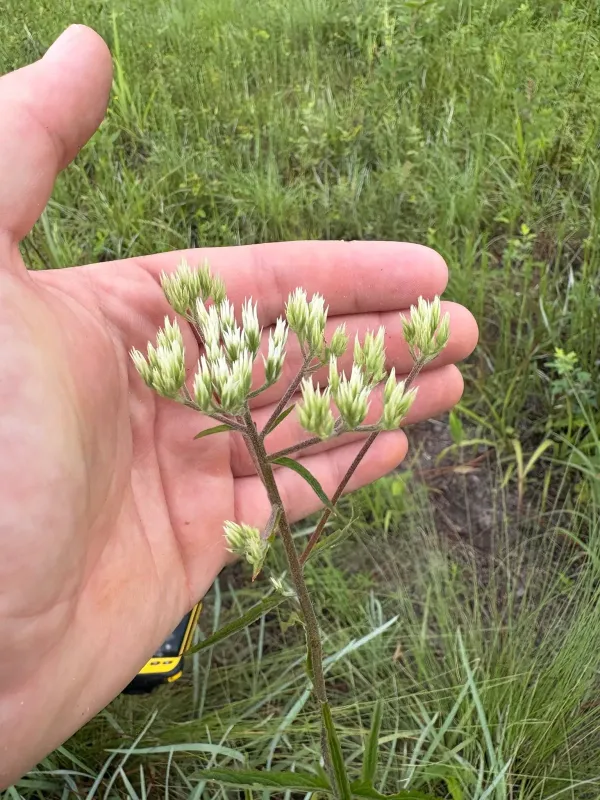
Description
Growing requirements
White thoroughwort (Eupatorium album) is a herbaceous perennial plant belonging to the Asteraceae family. It is native to North America, where it thrives in various environments ranging from dry sandy soils to open woodland margins.
The crop prefers well-drained soil conditions and shows remarkable resilience to sandy and infertile substrates. It is categorized as a low-maintenance plant that establishes deep root systems to access water during arid periods.
For optimal development, this species requires full sun exposure. While it can tolerate partial shade, the density of inflorescences and the overall vigor of the plant are significantly higher when exposed to direct light for most of the day.
It is well-suited for temperate climates, exhibiting strong winter hardiness. The species does not demand intensive fertilization, though a balanced application of organic matter during the early spring can enhance vegetative growth significantly.
Proper spacing between individual plants is essential to ensure adequate airflow. This plant acts as a vital resource for local pollinators, making it a valuable addition to both agricultural conservation programs and ecological restoration projects.
Main diseases and pests
Powdery mildew is the most common pathological threat for white thoroughwort, especially in conditions where stagnant air and high humidity are present. Maintaining proper plant spacing is the primary cultural control method.
Aphids and spider mites are typical pests that can infest the foliage during the peak growing season. While the plant is generally hardy, significant infestations may require localized treatment to preserve the plant's health.
Root rot represents a significant threat if the soil remains waterlogged for prolonged periods. Ensuring efficient drainage is the fundamental requirement for avoiding fungal infections in the rhizosphere of the crop.
Some beetle larvae may cause damage to the stem base during the spring months. Regular inspection of the stem and root collar area allows for early detection and intervention before the damage becomes irreversible.
Weed competition during the seedling stage can hinder growth, as this species is relatively slow to establish compared to more aggressive meadow species. Clearing the immediate perimeter of the plant is recommended during the first year.