
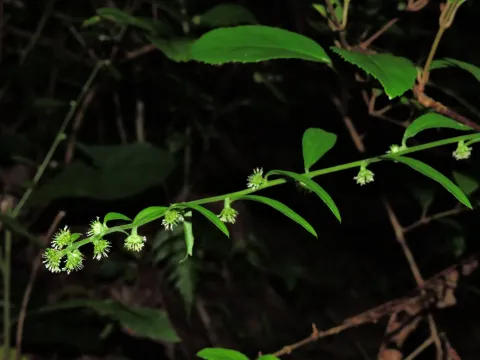
Whorled aster
Aster verticillatus
Seeds of the whorled aster should be sown in early spring once the threat of frost has passed. Starting seeds indoors in late winter can provide a head start for the growing season.
What the section contains
Whorled aster
Plant seeds in well-prepared, nutrient-rich soil at a depth of about 1 centimeter. Space plants at least 30 centimeters apart to allow for proper airflow and root development as the plant matures.
Fall sowing is also a viable option, as the seeds often benefit from a period of cold stratification during the winter months. This process improves germination rates when temperatures rise in spring.
Select a location that receives full sun to partial shade. Adequate lighting is crucial for the development of strong, sturdy stems and for ensuring that the plant reaches its full flowering potential.
After thinning the seedlings, it is beneficial to apply a thin layer of mulch around the base of the young plants. This helps to retain moisture while suppressing weed growth in the early stages.
Whorled aster thrives in fertile, well-draining soils with a neutral pH. If the soil is heavy clay, amending it with organic matter or grit will significantly improve the conditions for root growth.
The plant has moderate water requirements and prefers consistent moisture throughout the growing season. However, it is essential to avoid waterlogged soil to prevent the development of root issues.
Regular fertilization is beneficial for vigorous growth. A balanced, slow-release fertilizer applied at the start of spring usually provides enough nutrients for the plant to thrive through the summer.
As a member of the Asteraceae family, the whorled aster is recognized for its unique, whorled leaf arrangement around the stem. It is highly valued in gardening for its aesthetic appeal and longevity.
The species is hardy in most temperate regions. In areas with very cold winters, providing a light protective covering can help safeguard the crown of the plant until the arrival of spring.
Powdery mildew is a common fungal threat to the whorled aster, especially in humid and stagnant air conditions. Improving airflow through proper spacing is the primary preventive measure.
Aphids and spider mites are frequent pests that can stress the plant. Regular monitoring of the undersides of the leaves allows for early intervention using insecticidal soaps or neem oil.
Root rot is typically caused by poor soil drainage. Ensuring that the planting site has adequate permeability is essential for maintaining the long-term health of the root system.
Slugs and snails may attack young shoots in the spring. Using physical barriers like copper tape or diatomaceous earth can effectively protect the plants from these garden pests.
Monitoring the foliage for discoloration or spots is vital for early detection of potential disease outbreaks. Prompt removal of infested plant matter helps keep the garden clean and healthy.