
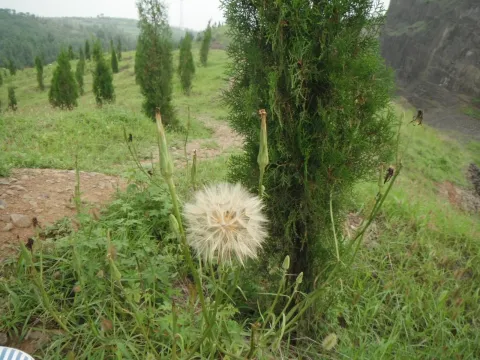
White-stemmed scorzonera
Scorzonera albicaulis
Sowing of Scorzonera albicaulis is typically performed in early spring as soon as the soil warms up to 8–10°C, usually around mid-April.
What the section contains
White-stemmed scorzonera
Autumn sowing is also a viable option in late October, allowing the seeds to undergo natural stratification and ensuring a head start for the next season.
Seeds should be sown in rows with a spacing of 30–45 cm, providing sufficient space for the root system to develop into a substantial taproot.
The optimal planting depth is 2–3 cm, and maintaining consistent soil moisture is crucial until the seedlings successfully emerge and establish.
Seedlings require thinning once they reach the two-leaf stage, leaving a distance of 10–15 cm between plants to prevent competition for nutrients.
The plant belongs to the Asteraceae family and is recognized as a hardy biennial, often cultivated as an annual vegetable for its nutritional taproot.
It prefers well-drained, deep, loose sandy or loamy soils, rich in organic matter, as heavy clay soils often lead to stunted and branched roots.
The crop is highly cold-tolerant and capable of surviving winter frosts, which improves the flavor profile of the root by increasing the sugar content.
An ideal pH range for this crop is between 6.0 and 7.5; acidity beyond these levels can negatively impact the yield and overall quality of the harvest.
Adequate soil aeration is a primary requirement for successful cultivation, as oxygen availability is essential for the healthy development of the fleshy root.
The average yield of Scorzonera albicaulis ranges from 15 to 25 tons per hectare, depending on soil fertility, moisture availability, and cultural practices.
Productivity is significantly enhanced by proper fertilization, prioritizing balanced nitrogen-phosphorus-potassium applications throughout the growing season.
To maximize yields, it is necessary to manage irrigation effectively during dry spells, as water stress can stop root elongation and reduce final weight.
The crop is highly valued in the industry for its high content of inulin, a prebiotic fiber, making it a functional food with significant market potential.
- Rich source of dietary fiber.
- Excellent flavor properties.
- High storage potential.
The most common diseases affecting this crop include powdery mildew and white rot, which thrive in conditions of high humidity and poor air circulation.
Pests such as wireworms are notorious for boring into the taproots, while aphids can cause significant damage to the leafy foliage during active growth.
Implementing a proper crop rotation system is the most effective preventative measure, avoiding planting in areas previously occupied by other Asteraceae species.
Field hygiene, including the prompt removal of weeds and plant debris, helps to reduce the habitat for many insects and potential fungal pathogens.
In cases of severe infestation, targeted biological control agents or soft pesticides may be used to protect the crop while maintaining food safety standards.
The harvest occurs in late autumn, typically in September or October, once the foliage begins to turn yellow and die back naturally.
Mechanical harvesting must be adjusted to prevent skin damage to the roots, as bruised roots have a significantly reduced shelf life and are prone to rotting.
After excavation, the roots are cleaned of soil, the tops are trimmed to a short length, and the roots are dried in a cool, shaded area before storage.
For long-term preservation, the roots are best kept in a cellar or refrigerator at 0–2°C, preferably packed in damp sand to prevent dehydration.
Culinary preparation involves blanching or boiling the roots, which develops a delicate flavor often compared to asparagus, making it a delicacy in many cuisines.