
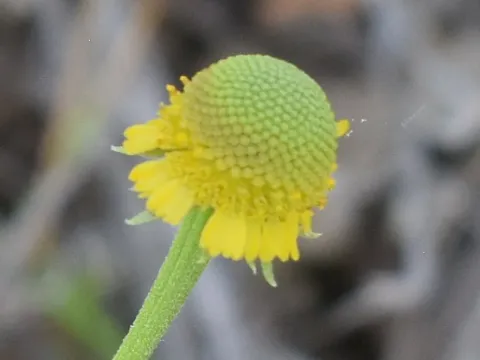
Rosilla
Helenium puberulum
Sowing seeds of Helenium puberulum is best performed in early spring, typically using a seedling tray system to ensure a controlled environment for germination.
What the section contains
Rosilla
Cold stratification of seeds for approximately three to four weeks is a recommended practice to overcome dormancy and improve the overall emergence rate of the crop.
When sowing in open ground, it is crucial to wait until the soil temperature reaches at least 15 degrees Celsius to encourage healthy and steady root establishment.
Seeds should be covered only lightly with a thin layer of soil or vermiculite, as they require light exposure to trigger the germination process effectively.
Adequate spacing, typically around 30 to 45 centimeters between plants, should be maintained to ensure proper airflow and light distribution as they mature.
Helenium puberulum belongs to the Asteraceae family and thrives best in full sun locations, which are essential for developing its characteristic flower heads.
The plant requires consistently moist, fertile soil conditions and performs exceptionally well in heavy, well-draining garden loams rich in organic matter.
Climate adaptation is a key factor; while it prefers temperate zones, it requires consistent summer moisture to prevent wilting during peak vegetative growth stages.
Wind protection is necessary for this species, as its tall, slender stems can easily be damaged or flattened by strong gusts if left unsupported.
Regular mulching around the base of the plant helps maintain soil moisture levels and suppress weeds, which are significant competitors for soil nutrients.
Aphids are a common pest problem for Helenium puberulum, often colonizing the succulent flower buds and young stems, leading to stunted development.
Powdery mildew represents the most frequent fungal challenge, particularly in humid, poorly ventilated areas where moisture persists on the foliage for long periods.
Nematodes can affect the root systems, causing a general decline in plant vigor that may be difficult to reverse once a systemic infection is established.
Root rot often occurs if the planting site lacks proper drainage, making it imperative to avoid waterlogged conditions during the wet seasons of the year.
Integrated pest management strategies, such as biological controls or targeted fungicide applications, are recommended to maintain plant health and vigor.
Harvesting the inflorescences for decorative purposes should be done early in the morning when the water content in the tissues is at its daily maximum.
The stems should be cut at a 45-degree angle to increase the surface area for water uptake, ensuring the cut flowers remain vibrant for a longer duration.
For seed collection, wait until the flower heads have fully dried on the stem and turned brown, indicating that the seeds have reached full maturity.
Once collected, the seeds should be cleaned of debris and stored in a cool, dry place to maintain viability for the following growing season.
Proper harvesting techniques not only extend the display life of the cut stems but also prevent unnecessary stress on the perennial root structure.