
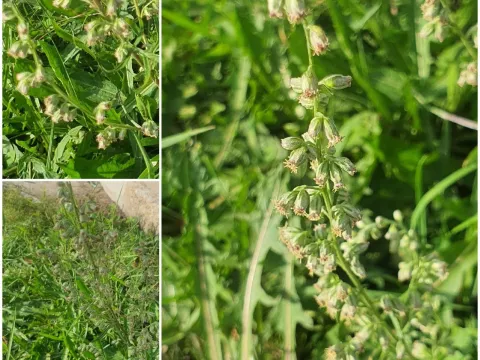
Shadow mugwort
Artemisia codonocephala
Shadow mugwort (Artemisia codonocephala) is a perennial herbaceous plant belonging to the Asteraceae family. This species is native to Central and East Asia, where it typically inhabits mountain slopes and sheltered areas, demonstrating a high level of environmental plasticity.
What the section contains
Shadow mugwort
The plant thrives in well-drained soils, preferring loamy or sandy loam textures. While it is tolerant of various soil conditions, it requires adequate moisture levels during the early stages of growth, transitioning to higher drought tolerance once established.
Regarding climate, it prefers regions with moderate temperatures and filtered sunlight. The specific epithet refers to its preference for partial shade, which protects the delicate leaves from heat stress in arid environments and promotes better essential oil composition.
Agronomic management involves maintaining proper spacing between rows to ensure airflow. Given its slow growth rate in the first year, intensive weed control is essential to ensure the crop is not choked out by more aggressive weeds.
Its primary use is in the herbal industry, where its bioactive compounds are harvested for pharmaceutical applications. Additionally, it is used in landscape architecture as a textural element for shaded garden sections due to its unique foliage.
Root rot is the most significant threat to Artemisia codonocephala crops, usually caused by stagnant water or compacted soil. Proper field leveling and soil structure management are vital for preventing this condition.
Pests such as aphids and spider mites are common concerns during the peak of the growing season. They target the succulent parts of the plant, potentially weakening it and making it more susceptible to opportunistic fungal infections.
Powdery mildew can frequently affect plantations in humid climates. This fungal disease creates a white powdery layer on the leaves, which hinders photosynthesis and reduces the overall quality of the harvested medicinal raw material.
Integrated Pest Management (IPM) is the recommended approach for maintaining healthy yields. This includes crop rotation and the strategic use of biological control agents to keep pest populations below the economic injury level.
Regular monitoring of the plantation is necessary to identify early signs of stress or infection. Early intervention through cultural practices, such as removing affected plant material, can prevent the need for broad-spectrum chemical treatments.