
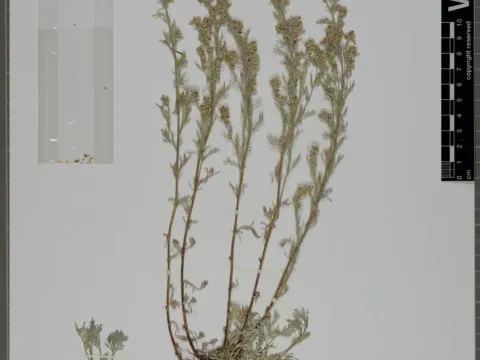
Shiny wormwood
Artemisia nitida
Shiny wormwood (Artemisia nitida) is a perennial herbaceous plant belonging to the Asteraceae family. Originating from the mountainous regions of Eastern Alps, it is highly valued for its striking, silky foliage that gives the plant its name.
What the section contains
Shiny wormwood
The plant thrives in rocky or sandy, well-draining soils. It is naturally adapted to high-altitude environments, which means it requires full sun exposure and does not tolerate waterlogged conditions, which are lethal to its root system.
Climate requirements include tolerance to cold temperatures and alpine conditions. However, in low-altitude cultivation, it is critical to ensure proper airflow and avoid high humidity levels during the dormant season to prevent rot.
Agrotechnical practices for this species are minimal. Due to its adaptation to nutrient-poor soils, fertilization should be kept to an absolute minimum, as excess nitrogen can lead to etiolated growth and reduced winter hardiness.
Plant propagation is usually done by division or cuttings, as seeds may have specific germination requirements related to their native mountain environment. The plant remains compact and low-growing, making it ideal for rock gardens.
In terms of usage, the plant serves both as an ornamental specimen in landscaping and as a botanical source for traditional herbal applications. Its silver foliage creates a unique contrast in garden compositions.
Harvesting for essential oil or herbal use should take place when the plant is in full bloom. This stage captures the highest concentration of active compounds within the foliage and flowers.
Harvested material must be dried in a cool, shaded, and ventilated area. Rapid drying is essential to maintain the structural integrity of the leaves and the quality of the essential oils found within the trichomes.
Threats to the crop are primarily related to fungal pathogens, such as root rot and mildew, which occur when cultural practices do not account for sufficient soil drainage and plant spacing.
Pest management is generally focused on keeping the environment dry. Common garden pests like aphids may occasionally visit, but they rarely cause significant damage if the plant is kept in its preferred, airy habitat.