
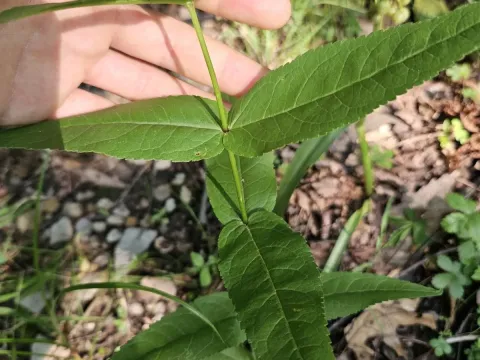
Sessile-leaved thoroughwort
Eupatorium sessilifolium
Sowing Eupatorium sessilifolium is typically performed in early spring or late autumn. The seeds require a cold stratification period to break dormancy, making outdoor autumn sowing a highly efficient method for consistent germination.
What the section contains
Sessile-leaved thoroughwort
For container-grown seedlings, seeds should be sown in prepared substrate and kept in a cold environment for several weeks before being moved to warmer conditions to stimulate growth.
Transplanting into the permanent garden site should be done in late spring when the risk of severe frosts has passed. This timing allows the plant to establish its root system before the intense heat of summer.
Proper spacing is essential to ensure the longevity of the plant. Gardeners should provide at least 60 to 80 centimeters between plants to allow for healthy airflow and structural development.
Young plants benefit from early-season protection until they have fully established. Keeping the soil consistently moist during the first growing season is crucial for successful development.
Sessile-leaved thoroughwort is a robust perennial belonging to the Asteraceae family. Native to North America, it naturally thrives in woodland edges and moist meadows, which dictates its preference for specific environmental conditions.
The plant performs best in full sun but can tolerate partial shade. For optimal growth, it requires consistently moist, fertile soil rich in organic matter, typically within a neutral to slightly acidic pH range.
Moisture management is the most important aspect of its maintenance. The plant is not drought-tolerant and requires frequent irrigation during dry spells to prevent wilting and maintain its lush foliage.
Fertilization with a balanced NPK fertilizer in early spring encourages vigorous growth. Supplementing with compost or well-rotted manure during the autumn can also improve soil structure and nutrient content over time.
Using organic mulch is recommended to preserve soil moisture and regulate ground temperature. This practice also helps in minimizing the emergence of weeds that compete with the thoroughwort for nutrients.
The plant is generally hardy, but it is susceptible to powdery mildew, especially in environments with poor air circulation and high humidity. The appearance of white dusty spots on the leaves is a primary indicator of this infection.
Insect pests, such as aphids, may occasionally attack the tender terminal shoots. While minor infestations can be managed manually, severe cases may require targeted biological control or mild insecticidal soaps.
Root rot is a common threat in poorly drained or waterlogged soils. Ensuring an effective drainage system or planting on slightly elevated beds can significantly mitigate the risk of fungal decay in the roots.
Leaf-eating insects can cause significant cosmetic damage during the summer. Regular observation and timely intervention are necessary to maintain the overall vigor and aesthetic appeal of the plant.
To prevent disease accumulation, gardeners should practice good sanitation by removing and disposing of debris or diseased foliage at the end of the season. This limits the survival of pathogens during the winter months.