
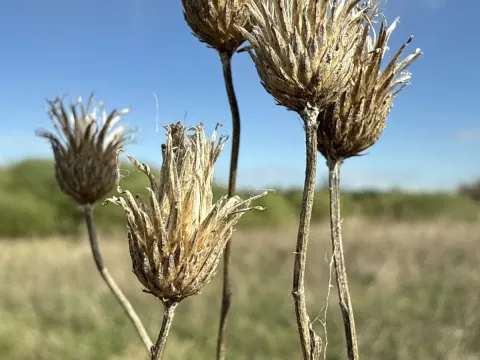
Serratula coronata
Serratula coronata
Sowing of Serratula coronata is generally performed in the spring, once the soil has warmed up to 8–10 degrees Celsius. Winter sowing is also an option, as it allows seeds to undergo natural stratification in the soil, which improves germination rates in the spring.
What the section contains
Serratula coronata
Seeds should be planted at a depth of 1–2 centimeters. Ensuring firm contact between the seeds and moist soil is crucial, so rolling the field after sowing is recommended to prevent the top layer of soil from drying out.
The row spacing for field cultivation should be between 45 and 60 centimeters. This provides sufficient space for the root system to develop and facilitates mechanical weed control during the first year of vegetation.
Seedlings emerge 14–21 days after sowing, depending on soil temperature and humidity. During the initial stage, the plant develops slowly, forming a basal rosette of leaves, making it essential to keep the plot free from weeds.
The seeding rate is approximately 8–10 kg per hectare for row planting. By adjusting the plant density, the agronomist can influence the quality and quantity of biomass used for the extraction of valuable bioactive compounds.
Serratula coronata is a perennial herbaceous plant belonging to the Asteraceae family. It prefers moderately moist, well-drained, fertile soils, including loams and chernozems rich in organic matter.
The plant exhibits high ecological plasticity and can grow both in open sunny areas and in conditions of light shade. The optimal pH level for this crop ranges from 6.0 to 7.5, which corresponds to neutral or slightly acidic soils.
The crop is characterized by good winter hardiness and is capable of surviving harsh climatic conditions typical of Eastern Europe and Siberia. The root system penetrates deep into the soil, which provides resistance against short-term drought periods.
Specific requirements apply to soil aeration: the plant does not tolerate prolonged waterlogging or poor drainage. Excessive moisture combined with low temperatures can lead to the rotting of the root system during the winter season.
In its natural habitat, saw-wort is found in forest clearings and meadows, which defines its need for moderate moisture during the active growth phase. In industrial cultivation, it is important to maintain regular irrigation during periods of peak temperature.
The yield of green biomass of Serratula coronata depends on the age of the plantation and the agronomic background. In the second and third year after planting, the crop reaches maximum productivity, forming robust upright stems up to 100–150 centimeters tall.
When all agronomic rules are followed, the harvest of the above-ground part can reach up to 15–20 tons of raw material per hectare. The dry yield of the product typically varies between 4–6 tons depending on the timing of the harvest.
An important factor in increasing product yield is the application of balanced mineral fertilizers, especially phosphorus and potassium. These contribute to the accumulation of phytoecdysteroids, which are the main active substances of the plant.
Regular pruning of spent flower stalks can stimulate the development of secondary axillary shoots, which slightly increases total vegetative mass. However, for the production of high-quality medicinal material, one full harvest during the flowering phase is usually sufficient.
Seed harvesting is carried out after full maturity, when the heads turn brownish. Seed yield is about 200–400 kg per hectare, requiring thorough drying and cleaning of the material to remove debris.
Serratula coronata is quite resistant to most typical agricultural pests. However, in cases of poor crop rotation and high humidity, infections by fungal diseases such as powdery mildew are possible.
Among insect pests, aphids and weevils pose a threat, as they can damage buds and young leaves. Preventive measures include spraying with biological insecticides during early developmental stages when infestation hotspots are detected.
Root rot is the most dangerous disease, caused by the mismanagement of soil moisture. To prevent the spread of infection, it is necessary to follow correct planting patterns and avoid compaction of the topsoil.
Competition from weeds in the first year of life is the primary threat to crop development. Without timely weeding or the use of selective herbicides, the crop can be completely suppressed by aggressive weed species.
If pathogens are detected, it is recommended to conduct timely incorporation of plant residues in the autumn to prevent fungal spores and pest larvae from overwintering in the soil. Sanitary pruning of affected parts also helps contain the spread of diseases.
The primary period for harvesting medicinal raw material (herb) is the peak flowering phase. At this time, the concentration of ecdysteroids in the leaves and stems reaches its peak, which is crucial for the pharmacological value of the product.
Stems are cut at a height of 10–15 centimeters from the soil surface using mechanical mowers. It is important to avoid including too many thick, woody parts of the stem base, which degrade product quality.
The harvested mass must be transported to a drying facility as quickly as possible. Drying is performed in well-ventilated rooms or dryers at temperatures not exceeding 40–50 degrees Celsius to avoid the degradation of valuable active compounds.
After drying, the material undergoes milling and packaging. Properly prepared saw-wort should retain the natural color of the leaves and a specific herbal aroma without any traces of mold or rot.
Storage of the dried material is carried out in dry, dark, and cool warehouses in fabric bags or paper packaging. The shelf life, provided storage conditions are met, is up to two to three years without significant loss of biological activity.