
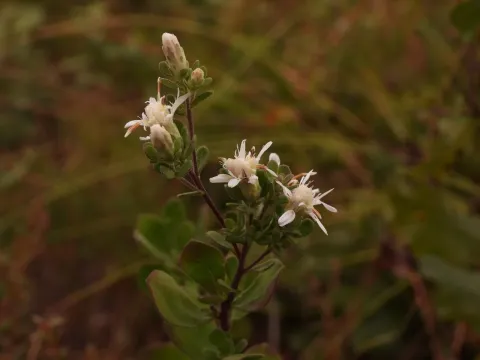
Sericocarpus
Sericocarpus
Sericocarpus is a genus of perennial herbaceous plants belonging to the Asteraceae family. These plants are native to North America and are typically found in open woods, meadows, and prairies.
What the section contains


Sericocarpus
The crop thrives in well-drained, sandy, or rocky soils. It is highly adaptable to poor soil conditions, provided that water does not stagnate, as excessive moisture often leads to root rot in this species.
Regarding climate, Sericocarpus requires full sunlight to partial shade to reach its full potential. It is cold-hardy and well-suited for temperate climates, demonstrating excellent resistance to seasonal weather fluctuations.
Agronomic management involves minimal intervention once the plant is established. It is an efficient user of nutrients and does not require frequent fertilization, which is a major advantage in sustainable cultivation.
The plant serves as an important pollinator attractor, playing a vital role in local ecosystems. Its use in commercial nurseries and landscape restoration projects has increased due to its low maintenance needs.
Root pathogens represent the most significant threat to Sericocarpus populations. When grown in heavy, clay-rich soils, the plants become susceptible to various fungal infections that can rapidly decimate a field.
Foliar pests, including aphids and leafhoppers, may occasionally infest the plants. Monitoring these populations during the peak growing season is necessary to prevent significant aesthetic and structural damage.
Powdery mildew can occur if airflow is poor and humidity levels remain high for extended periods. Pruning surrounding vegetation to improve air circulation is a recommended preventative cultural practice.
Competition from aggressive invasive weeds can easily overpower young Sericocarpus stands. Regular weeding or the use of organic mulch is essential to maintain the health and vigor of the crop.
Integrated pest management strategies focusing on biological control are highly effective for this genus. By encouraging predatory insects, farmers can manage pest numbers without relying solely on chemical treatments.