
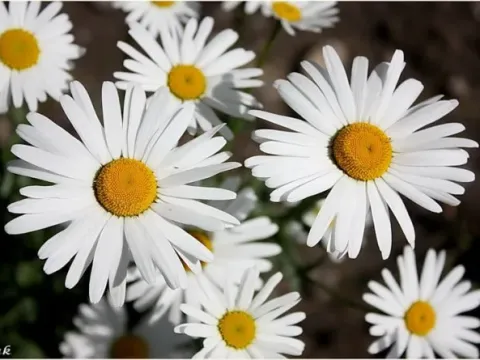
Shasta daisy
Leucanthemum hybrids
The Shasta daisy (Leucanthemum × superbum) is a popular hybrid perennial in the Asteraceae family. Known for its bright white petals and yellow centers, it is a staple in many temperate-zone gardens due to its long blooming period and classic aesthetic.
What the section contains
Shasta daisy
Propagation is typically done through seed sowing or by dividing established clumps. Seeds should be started indoors in late winter or early spring to ensure robust plants are ready for outdoor planting once the danger of frost has passed.
When sowing directly into the garden, select a spot with well-draining soil. Seeds should be lightly covered with soil and kept consistently moist until germination, which usually occurs within two to three weeks under optimal temperatures.
Transplanting seedlings requires careful handling of the root ball. Space plants at least 30 to 45 centimeters apart to ensure adequate airflow, which is critical for preventing the development of fungal diseases in dense foliage.
Establishing young plants is key; regular watering during the first season will help them develop deep roots, allowing them to better withstand fluctuations in moisture later in their life cycle.
Shasta daisies thrive in full sun, which is essential for producing strong, upright stems. While they can tolerate partial shade, insufficient light often results in "flopping" stems that require physical support or staking.
The soil should be fertile, moist, and well-drained with a neutral pH. While they are adaptable, they struggle in waterlogged or heavy clay soils, which can cause root rot during winter months.
Regular fertilization with a balanced, slow-release fertilizer in early spring supports vigorous growth. Avoid excessive nitrogen, which can lead to lush leafy growth at the expense of flower production.
Consistent irrigation is important during dry spells to maintain bloom quality. However, always aim water at the base of the plant to keep the foliage dry, reducing the risk of powdery mildew.
As hardy perennials, they generally tolerate cold winters well. In regions with very harsh climates, applying a layer of organic mulch around the base of the plants can protect the crowns from extreme temperature drops.
The most common disease affecting Shasta daisies is powdery mildew, characterized by a white, dusty coating on leaves. It is often exacerbated by poor air circulation and high humidity during the summer.
Pests such as aphids and leaf miners can occasionally infest the plants. Aphids usually cluster on tender new buds, while leaf miners create unsightly tunnels within the leaf tissue, affecting photosynthesis.
For chemical-free management, manual removal of infected parts or the application of insecticidal soaps is often sufficient. In severe cases, systemic fungicides or insecticides may be necessary.
Good garden hygiene, such as removing dead foliage in the fall and clearing weeds, significantly reduces the overwintering habitat for pathogens and pests that could attack the plants the following season.
Monitoring for snails and slugs is also recommended in the spring, as they enjoy the young shoots of the daisy and can cause significant damage before the plant matures.
The primary use of Shasta daisy is as an ornamental garden plant, providing vibrant color to borders and cut flower arrangements. Their stems are sturdy and long, making them ideal for floral decor.
For optimal vase life, cut stems in the early morning when the blooms are just beginning to open. Immediately place them in cool, clean water to preserve their freshness for up to two weeks.
Deadheading—removing spent flowers—is a highly recommended practice. It not only keeps the plant tidy but also encourages the energy to be redirected into producing a second flush of blooms.
In the late autumn, once the foliage begins to yellow, cut the entire plant back to within a few inches of the ground to prepare it for winter dormancy.
Every few years, it is advisable to divide the clumps in the spring or autumn. This process refreshes the plant, prevents overcrowding, and ensures that the daisies continue to produce large, healthy flowers.