
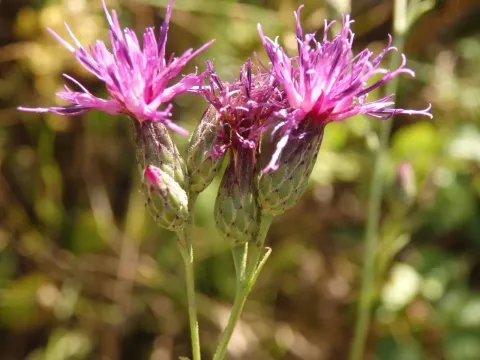
Serratula seoanei
Serratula seoanei
Serratula seoanei is a perennial herbaceous plant belonging to the Asteraceae family, originating from the Iberian Peninsula's mountainous regions.
What the section contains
Serratula seoanei
Propagation is primarily achieved through seeds, which require stratification to break dormancy and ensure high germination rates before sowing.
Seeds should be sown in prepared beds at a depth of 1-2 cm, ensuring the soil remains moist during the initial germination phase in the spring.
Row spacing should be maintained at 40-50 cm to allow the plants enough room to develop their rosette and reach maturity without competition for nutrients.
Once established, the plants exhibit steady growth, developing a robust root system that helps the species survive in varying climate conditions.
The species thrives in well-drained, sandy, or rocky soils, which mimic its natural mountain habitat and prevent issues with root rot.
Full sun exposure is preferred for optimal growth and flowering; however, partial shade can be tolerated in regions with extremely hot summer temperatures.
Serratula seoanei is highly adapted to temperate climates, showing significant resistance to cold temperatures and occasional frost events.
Soil pH should ideally be neutral or slightly alkaline, as highly acidic soils can negatively impact nutrient uptake and overall plant vitality.
Proper aeration is essential for this plant, as waterlogged conditions are the primary cause of failure in domestic and commercial cultivation attempts.
Common threats to this culture include fungal infections such as powdery mildew, which thrives in humid environments with poor air circulation.
Root-feeding larvae and soil-borne insects can pose a significant threat to young plants, potentially causing wilting and stunted development.
Aphids and spider mites may occasionally infest the foliage, particularly during dry spells, necessitating regular monitoring of the crop's condition.
Preventive measures include maintaining clean rows, applying organic mulch, and ensuring the site has excellent drainage to avoid pathogen build-up.
If disease symptoms appear, targeted biological treatments are recommended to manage the issue while preserving the plant's natural properties.
The harvesting of aerial parts is best conducted during the peak flowering season when the concentration of essential compounds is highest.
Stems should be cut cleanly, ideally during dry weather conditions, to prevent moisture accumulation and preserve the quality of the harvested biomass.
Post-harvest processing involves drying the plant material in shaded, airy locations to retain its color and biochemical integrity for industrial use.
Once fully dried, the material should be processed or stored in airtight containers to protect it from moisture and sunlight degradation.
Root harvesting is performed at the end of the vegetative cycle, ensuring that the roots are cleaned and dried thoroughly before final storage.