
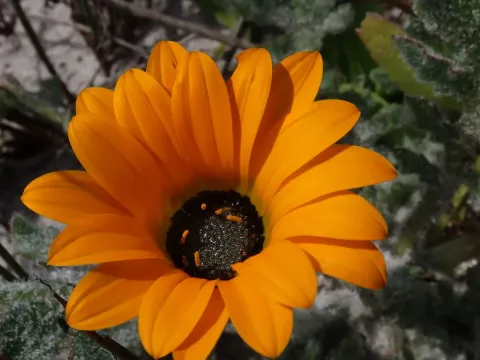
Arctotis leptorhiza
Arctotis leptorhiza
Sowing Arctotis leptorhiza should be performed in early spring, ideally under controlled conditions in a greenhouse. Seeds require a temperature range of +18°C to +22°C to ensure uniform germination and strong seedling development.
What the section contains
Arctotis leptorhiza
The choice of substrate is critical; a loose, well-draining soil mix prevents moisture retention around the seeds. Seeds are typically sown at a depth of 0.5 cm, as they need a balance of darkness and light to trigger optimal growth.
Direct sowing in the open field is feasible only in regions without late spring frosts. Seeds should be spaced to allow for proper airflow, reducing the risk of fungal infections in the early growth stages of the plant.
Seedlings are sensitive to root disturbance, so using individual pots is highly recommended. This practice ensures minimal stress when transplanting the crop to its final destination in the garden or field.
Hardening off the seedlings for at least two weeks before final planting is essential. This step increases the plant's tolerance to direct UV radiation and daily temperature fluctuations typical of open-air environments.
Arctotis leptorhiza, belonging to the Asteraceae family, is a heliophilic species originating from South Africa. It thrives in full sun, which is necessary for the opening of its characteristic daisy-like flowers and overall plant vigor.
The species is exceptionally well-adapted to sandy, poor-nutrient soils. High drainage capacity is the most important requirement, as these plants suffer significantly from waterlogged root systems, which can lead to rapid decline.
Climatic requirements focus on heat and light availability. The crop performs best in arid to semi-arid environments where it can demonstrate its natural drought resistance, requiring significantly less irrigation than most ornamental crops.
Soil pH should ideally be neutral to slightly alkaline. The addition of organic matter should be done sparingly, as high fertility often results in excessive leaf growth at the expense of flower production, which is the desired outcome.
Regular weeding is necessary to prevent competition for resources, especially during the early establishment phase. Once established, the plant's dense foliage helps suppress smaller weeds around its base.
Root rot is the primary threat to Arctotis leptorhiza, usually caused by over-irrigation or heavy, poorly drained soil. Maintaining a strict irrigation schedule is the most effective preventative measure.
Aphids are the most common insect pests encountered during the growing season. They target succulent tissues and flower buds, necessitating periodic monitoring and, if required, the application of targeted insecticides.
Powdery mildew can develop in areas with high humidity and poor air circulation. Symptoms include white, flour-like spots on leaves, which require immediate pruning and treatment with appropriate fungicides.
To maintain a healthy crop, growers must ensure adequate spacing between plants to maximize airflow. This simple practice significantly reduces the incidence of both fungal diseases and pest colonization.
Field sanitation remains a key component of integrated pest management. Removing dead or diseased plant tissue promptly helps to minimize the reservoir of pathogens in the soil for the next growing cycle.