
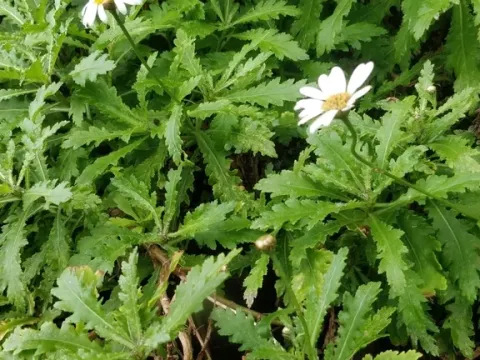
Argyranthemum
Argyranthemum x Glebionis
Sowing Argyranthemum seeds for seedlings is typically carried out in late winter or early spring, specifically during February and March.
What the section contains


Argyranthemum
Use a light, well-draining substrate for sowing. The seeds should be covered very lightly, as light is essential for their successful germination.
Maintain a constant temperature between 18 and 20 degrees Celsius to ensure uniform germination across the seedling trays.
Transplant seedlings into individual containers once the first true leaves emerge; this step is crucial for developing a healthy root architecture.
Only move the hardened plants to the outdoor environment once the risk of night frosts has completely passed, as they are heat-loving plants.
Argyranthemum thrives in full sun exposure. Select an open location with good air circulation to ensure healthy growth and profuse flowering.
The soil must be fertile and possess excellent drainage properties. Avoid heavy, compacted soils that tend to hold excessive water around the roots.
As a native of the Canary Islands, this culture prefers mild climates and performs best when protected from strong, cold, and gusty winds.
Apply regular irrigation, ensuring the growing medium stays moist but never waterlogged, as root rot is a common issue with this species.
Fertilize with balanced mineral nutrients every two weeks to support the rapid development of stems and the longevity of the blooming cycle.
Powdery mildew represents the primary fungal threat to Argyranthemum, particularly in humid and stagnant air conditions around the plant foliage.
Aphids and whiteflies are the most frequent insect pests. They feed on plant sap, causing yellowing, stunted growth, and potential viral transmission.
Root rot is almost always a result of poor drainage or overwatering, which creates an anaerobic environment unfavorable for root respiration.
Use systematic fungicides and insecticides as a preventive or curative measure to manage pest outbreaks before they compromise plant health.
Proper spacing during initial planting is the most effective cultural practice to minimize the spread of moisture-related plant diseases.
Harvesting for floral arrangements should occur when buds are partially open, which helps maximize the vase life of the cut flowers.
Deadheading, the process of removing spent blossoms, is a vital maintenance task that encourages the plant to produce continuous new blooms.
At the end of the growing season, plants in garden beds are typically removed or cut back significantly to prepare for winter dormancy or disposal.
For container-grown specimens, bring the pots into a cool, well-lit indoor area before the first hard frost to allow the plant to survive the winter.
All plant debris resulting from harvesting or pruning should be removed from the site, especially if signs of previous infection were present.